










Teeth move at any age

Adult Orthodontics

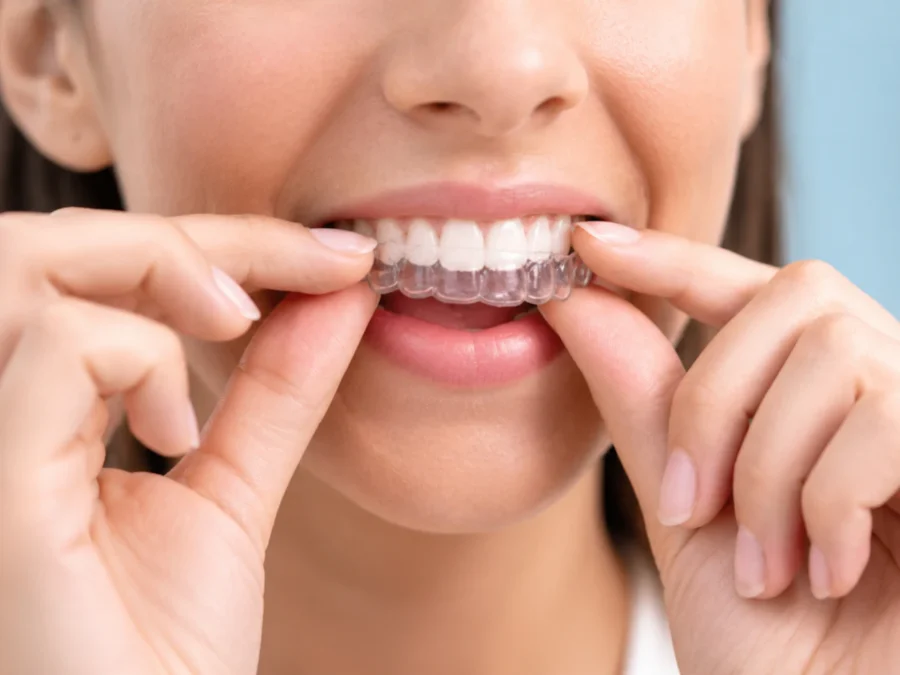
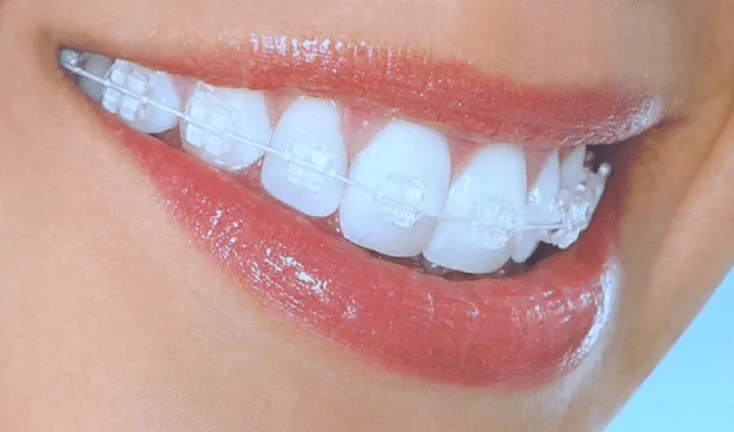
For relapse after childhood braces, crowding, or a bite that has become uncomfortable. Clear braces and Invisalign keep treatment discreet.

5.0from 300+ Google reviews
Consultation Complimentary
Ages seen Adults of Any Age
Health check Gums and Bone First
Appointments Around Work Where Possible

Treatment as an adult

Your smile, at your own pace

Teeth move at any age.

Adult treatment is slower than a teenager’s because there is no growth to work with, but the result is the same.

Is it right for you?

Healthy gums and bone come first

Healthy gums and bone first. Where there is existing gum disease or heavy restorative work, we coordinate with your general dentist before anything starts.

Your orthodontist will help you choose at the consultation.

Five steps

From health check to retainer

  1. Consultation

    What bothers you, and what is realistic.

  2. Health check

    Gums and bone, with your general dentist if needed.

  3. Plan

    Options, timeline and written cost.

  4. Treatment

    Appointments scheduled around work where possible.

  5. Retention

    Permanent. Adult teeth relapse readily without it.

Orthodontic specialists

Meet your orthodontists

Both are orthodontic specialists: dental school first, then a university residency spent only on moving teeth and correcting bites.

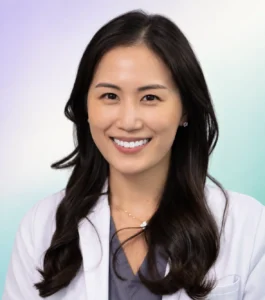
Dr. Kate Lew, DMD

Braces, clear braces and Invisalign for teens and adults, and the Phase I evaluations that decide whether a child should start now or wait.

  • DMD, Rutgers School of Dental Medicine, graduated at the top of her class
  • Orthodontic residency, Columbia University College of Dental Medicine
  • Bachelor of Science, Cornell University

Read full profile

Dr. Scott Noh, DDS, MS

Comprehensive orthodontic treatment for teens and adults: braces, Invisalign and the retainers that keep a finished smile in place.

  • MS in Orthodontics and three-year orthodontic residency, Columbia University
  • DDS, Columbia University College of Dental Medicine
  • BS in Biochemistry, University of California, Los Angeles
Read full profile

Your consultation

A scan, your options explained side by side, and the cost in writing, in one visit.

Office hours
Mon9:00 - 5:00
Tue - Thu9:30 - 5:30
Fri9:00 - 4:00
Sat8:30 - 1:30 (select)
SunClosed
Book an Orthodontic Consultation

Cost and coverage

Cost, insurance and financing

The fee, your insurance benefit and the payment plan are explained at the consultation, before you start.

Is the consultation free?

Yes. Orthodontic consultations at Elite are complimentary: the orthodontist examines the teeth and bite and explains the options.

What will it cost?

It depends on the bite, the type of treatment and how long it takes. You get a customized quote at the consultation, before you decide.

Will insurance help?

Many dental plans include an orthodontic benefit. We verify your benefits and file the claims on your behalf.

Can I pay monthly?

Yes. Interest-free in-house payment plans, CareCredit for longer terms (subject to credit approval), and HSA or FSA funds.

Six common questions

What people ask

Is 25 too old to get braces?

No. Many adults choose orthodontic treatment to improve their smile and their oral health. Adult options include traditional braces, ceramic braces and Invisalign clear aligners. As long as your teeth and gums are healthy, orthodontic treatment can be successful at almost any age.

Why do straight teeth matter for adults?

Straighter teeth mean healthier gums, easier brushing and flossing, less plaque, a lower risk of decay, clearer speech, better chewing and digestion, fewer headaches and less wear on the opposing teeth. And more smiling. Elite offers several adult options, some of which can straighten a smile in as little as four months, depending on what needs to move.

Can I have braces as an adult?

Yes. Teeth move at any age. Adult treatment is usually slower because there is no growth to work with, and gums and bone are checked carefully first.

Can teenagers and adults get clear braces?

Yes. Teens often like braces that are less noticeable at school, in activities and in photos; adults often prefer a subtle option for work and social life. Whether ceramic braces suit you depends on your orthodontic needs, habits and treatment plan.

Invisalign or braces?

Aligners suit mild to moderate cases and disciplined wearers. Fixed braces do more, more predictably, and do not depend on anyone remembering to put them back in.

Who is a good candidate for Invisalign?

Good candidates have healthy teeth and gums, a problem that clear aligners can correct, and the commitment to wear the aligners as directed. Invisalign may not suit someone with a severe bite problem, a significant difference between the jaws, advanced gum disease, or who will not wear the aligners 20 to 22 hours a day. In those cases traditional braces may be the better option.