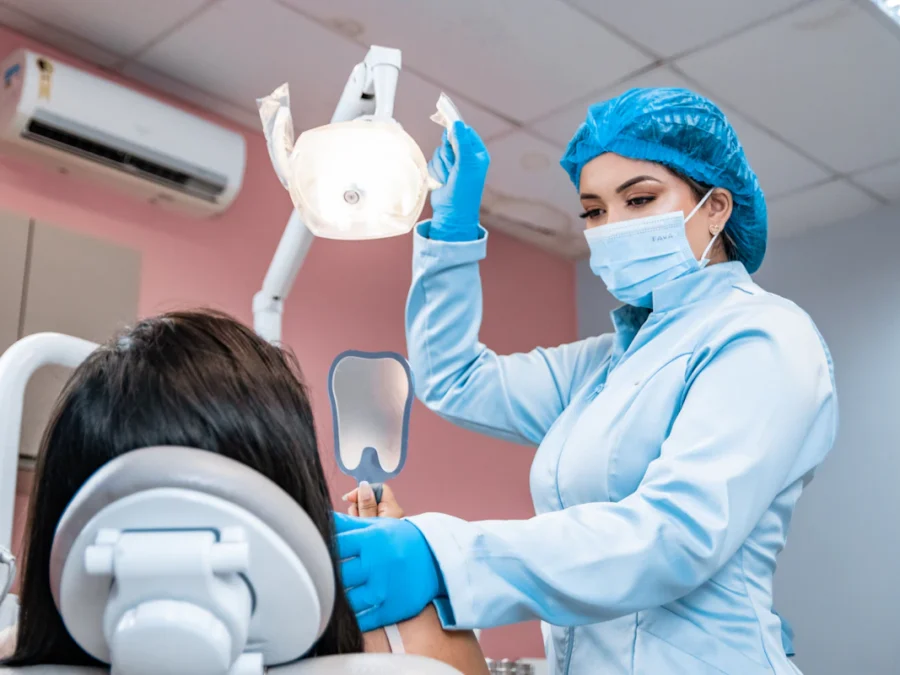











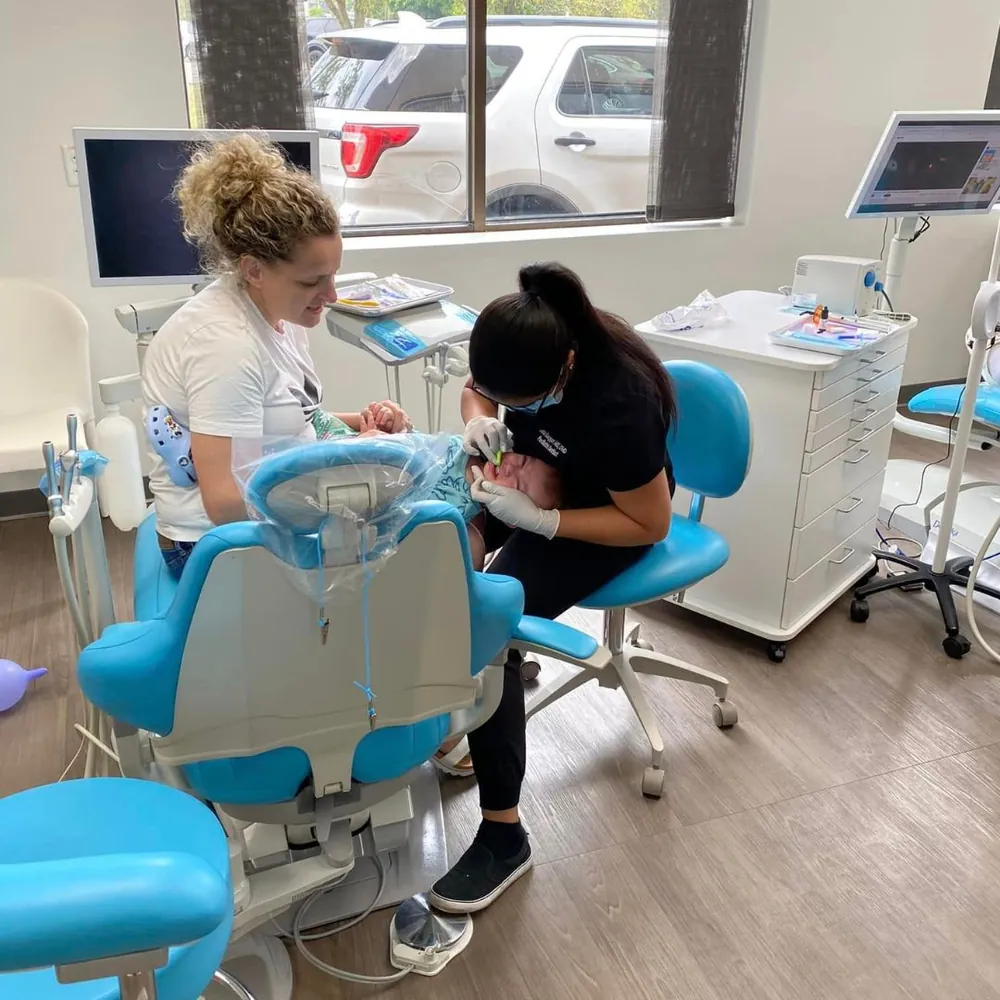

A cleaning and a check for decay

Exams & Cleanings

Every six months, timed so siblings can come in back to back and you make one trip.

5.0from 300+ Google reviews
How often Every Six Months
Visit length About Half an Hour
Siblings Seen Back to Back
X-rays Only When Needed

What a checkup covers

Small routines, ongoing care

A cleaning, a check for decay, and a look at how the adult teeth are arriving.

The orthodontic side of the practice sees the same images, so nothing is taken twice.

Is it right for you?

Routine care for every child

Every child, every six months, from the first visit onward. Each exam looks at tooth development, cavities, gum health, bite and jaw growth, and habits such as thumb sucking.

We will talk it through with you at your child’s appointment.

Five steps

Inside a checkup and cleaning

  1. Clean

    Plaque removed, teeth polished.

  2. Check

    Decay, gums, and how the bite is developing.

  3. Images

    Only when they will change what we do.

  4. Fluoride

    Where it is indicated.

  5. Report

    What we saw, in plain language, before you leave.

Pediatric dental specialist

Meet your child’s dentist

Dr. Neha Saggar, DMD

Elite’s pediatric dental specialist: first visits, cleanings, sealants and restorative care for infants, children and teens, with parents in the room.

  • Pediatric dental and general practice residencies, BronxCare Health System
  • Dental degree, Tufts University School of Dental Medicine
  • Master’s in Biomedical Sciences, University of Medicine and Dentistry of New Jersey
Read full profile

Your child’s appointment

Siblings can be seen back to back, so you make one trip.

Office hours
Mon9:00 - 5:00
Tue - Thu9:30 - 5:30
Fri9:00 - 4:00
Sat8:30 - 1:30 (select)
SunClosed
Book a Pediatric Appointment

Cost and coverage

Cost, insurance and financing

Our team guides you through your child’s dental benefits and the care HSA or FSA funds can pay for.

Is my child’s plan accepted?

The plans we accept for pediatric dentistry include Aetna, Cigna, Delta Dental, Guardian, Horizon and MetLife. The plan type matters, so check the full list below.

What will the plan cover?

Benefits differ from plan to plan. Call with the plan name on the card and we will confirm your child’s benefits.

Can we use HSA or FSA funds?

Yes. Exams, cleanings, X-rays, sealants, fluoride and emergency treatment can all qualify for pre-tax HSA or FSA funds.

Questions about a bill?

Our administrative team is here to help with insurance, scheduling and financial policy questions. Call 973-706-8339.

Seven common questions

What parents ask

What happens at a child’s dental cleaning?

The hygienist carefully removes the plaque and tartar that brushing misses, then polishes the teeth to lift surface stains. Each cleaning is also a chance to teach brushing and flossing techniques suited to your child’s age.

What does a children’s dental exam check?

How the teeth are developing, any existing or developing cavities, gum health, how the teeth bite together, jaw growth, oral habits such as thumb sucking, and early signs of orthodontic problems. Finding these early often prevents more complex treatment later.

How often should my child see a pediatric dentist?

Every six months, for a check-up and cleaning. Children at higher risk of cavities may need to come more often. Regular visits prevent problems and catch the ones that do start early.

What preventive care do you provide for children?

Comprehensive dental exams, professional cleanings, fluoride treatments, dental sealants, digital X-rays when needed, oral hygiene education, nutritional guidance, growth and bite evaluations, and early cavity detection.

Why is preventive dental care important?

It catches problems while they are small and treatment is simpler: small cavities, enamel defects, gum inflammation, bite concerns, developing orthodontic issues, teeth grinding and changes in oral development. It also lowers the risk of cavities and helps children build healthy habits for life.

Can I stay in the room?

Yes, for as long as you want to be. Very young children are examined on your lap.

How do I brush a toddler who fights it?

Ask at the visit. It is the single most common question, and a two-minute demonstration on your own child is worth more than any leaflet.