










Before your visit
Questions families ask us most
Straight answers about braces, your child’s dental visits, insurance and booking. If yours is not here, the office will answer it by phone.
Orthodontics
Timing, benefits, the options for children, teens and adults, and retainers.
At what age should my child first see an orthodontist?
Around seven, when the first adult molars and incisors are through. Most children who come at that age are told to check back in a year or two, and that is the right answer more often than treatment is.
How long does treatment usually take?
It depends entirely on what is being moved. You get an estimate at your consultation, and we tell you when the estimate changes rather than letting it drift.
Do braces hurt?
The fitting does not. The ache starts the following day, lasts a few days, and returns briefly after each adjustment. Ordinary painkillers handle it.
Can I have braces as an adult?
Yes. Teeth move at any age. Adult treatment is usually slower because there is no growth to work with, and gums and bone are checked carefully first.
Invisalign or braces?
Aligners suit mild to moderate cases and disciplined wearers. Fixed braces do more, more predictably, and do not depend on anyone remembering to put them back in.
What happens if I lose my retainer?
Call us straight away. Teeth begin to move within days, and replacing a retainer quickly is far cheaper than repeating treatment.
What are the benefits of orthodontic treatment?
Straight teeth are easier to brush and floss, so plaque and food have fewer places to collect, which lowers the risk of cavities and gum disease. Treatment can also bring:
- More efficient chewing, the first step of digestion
- A balanced, even bite, with less uneven wear, chipping and grinding
- Less stress on the jaw joints and muscles, which can mean fewer headaches and less jaw discomfort
- Clearer speech, where the position of the teeth affects it
- Correction of crowding, gaps, overbites, underbites and crossbites
- More confidence in how your smile looks
Is 25 too old to get braces?
No. Many adults choose orthodontic treatment to improve their smile and their oral health. Adult options include traditional braces, ceramic braces and Invisalign clear aligners. As long as your teeth and gums are healthy, orthodontic treatment can be successful at almost any age.
Why do straight teeth matter for adults?
Straighter teeth mean healthier gums, easier brushing and flossing, less plaque, a lower risk of decay, clearer speech, better chewing and digestion, fewer headaches and less wear on the opposing teeth. And more smiling. Elite offers several adult options, some of which can straighten a smile in as little as four months, depending on what needs to move.
What treatment options are there for children and teens?
Braces for children and teens come as traditional metal braces or less noticeable ceramic braces, and Invisalign for teens is a clear aligner option. For younger children, early treatment such as a space maintainer or a palatal expander can guide how the jaws and teeth develop. Every plan includes retainers, follow-up care and monitoring after treatment so the result lasts.
How do braces help children and teens?
Beyond straightening the smile, braces correct misalignments that can make chewing, speaking and keeping teeth clean harder. They spread wear more evenly across the teeth, which reduces the risk of damage in later years, and early treatment can help the face develop more symmetrically.
How are parents involved in their child’s treatment?
Closely. The team keeps parents informed at every step, answers questions as they come up, and shows you how to support your child’s treatment and look after their braces at home.
What kinds of retainers are there?
Retainers are either removable or fixed. Both hold the teeth in their new positions once they have been straightened. A fixed retainer is a thin wire attached to the back of the upper or lower front teeth with a bonding glue similar to the one used for braces brackets. Your orthodontist will tell you how to care for your retainer and how long to wear it. Wearing it as directed is what stops the teeth moving back.
Why do I need to wear a retainer at night indefinitely?
Teeth can keep shifting throughout life, with growth, with age and for other reasons. Wearing your retainer at night, as your orthodontist directs, keeps your teeth in the positions your treatment achieved.
How often should I replace my retainer?
It depends on the type of retainer and how well it is looked after. Metal retainers can last several years with good care, while clear retainers may need replacing every one to two years because of wear. Your orthodontist checks your retainer at your regular visits and tells you when it needs replacing.
What should I do if my retainer breaks?
Call us straight away, and do not wear a broken retainer: it can hurt your teeth or gums. Your orthodontist will tell you whether it can be repaired or needs replacing.
Is it normal for my retainer to feel tight?
Yes, a little, especially if you have not worn it for a while. Tightness usually means your teeth are trying to move back, and wearing the retainer as directed eases it. If it feels very tight or loose, or it hurts, book a visit so we can check the fit.
Can I eat while wearing my retainer?
Take a removable retainer out to eat. Food gets trapped under it, and chewing can damage it. Keep it in its case while you eat so it is not lost or broken.
Braces
What braces treat, the best age, food, cleaning and cost.
What can traditional braces treat?
Braces gradually move the teeth and improve how they meet. They are used for:
- Crowded teeth: not enough space, so teeth overlap, rotate or grow out of position
- Spacing and gaps: from tooth size, missing teeth or how the jaws developed
- Overbite: the upper front teeth overlap the lower ones more than they should
- Underbite: the lower front teeth sit in front of the upper teeth, sometimes treated with braces and another appliance together
- Open bite: some upper and lower teeth do not meet when the mouth is closed
What is the best age to get braces?
There is no single best age. Treatment often starts in childhood or the teenage years, once many of the permanent teeth are through, but the right time depends on how the teeth and jaws are developing. An orthodontic evaluation tells you when treatment should begin.
How often are braces adjusted?
Regularly, so your orthodontist can check progress and adjust the braces when needed. How often depends on your treatment plan and how your teeth are responding.
What types of braces are there?
Metal braces, ceramic (clear) braces and self-ligating braces. For more complex cases, braces give precise, effective results. For mild to moderate alignment problems, Invisalign clear aligners are a discreet alternative for teens and adults.
What foods should you avoid with braces?
Hard, sticky and chewy foods that can damage brackets or wires, such as hard candy, caramel, popcorn and ice. Your orthodontist will give you specific instructions for eating safely during treatment.
How do you clean your teeth with braces?
Brush thoroughly around each bracket and along the gumline, and clean between your teeth every day with floss threaders, orthodontic flossers, interdental brushes or whatever your dental team recommends. Food and plaque collect around brackets and wires, so good hygiene matters even more during treatment.
Are traditional braces better than clear braces?
Neither is best for every patient. Metal braces are durable and treat a wide range of problems; clear ceramic braces use less noticeable brackets that blend in with the teeth. Your orthodontist will recommend one based on your treatment needs, lifestyle and preferences.
How much do braces cost in New Jersey?
Braces in New Jersey typically cost between $3,000 and $7,500, depending on how complex the case is and the type of treatment: metal braces, ceramic braces or Invisalign, the length of treatment and your insurance coverage. After evaluating your teeth and bite, your orthodontist gives you a personalized plan and an estimate, and the team reviews your insurance benefits and payment options before you begin.
What is the most affordable way to get braces?
Traditional metal braces are often the most affordable option, as they typically cost less than ceramic braces or Invisalign. The real cost depends on your orthodontic needs, the length of treatment, your insurance coverage and the financing available, so a consultation is the way to find the most cost-effective plan for you.
What are the alternatives to braces?
Invisalign and other clear aligners straighten teeth with custom, nearly invisible removable trays instead of brackets and wires. For minor alignment problems, short-term aligner treatment may be possible. The right option depends on your bite, spacing and overall dental health, which the consultation assesses.
Clear braces
Ceramic brackets: how they compare, staining, food and who they suit.
What can clear ceramic braces treat?
Most of what metal braces treat. Depending on your needs, ceramic braces can correct:
- Crooked teeth
- Crowding
- Gaps between teeth
- Overbites
- Underbites, as part of a treatment plan
- Crossbites, where some upper teeth bite inside the lower teeth
- Open bites
- Overjets, where the upper front teeth project too far forward
Your orthodontist evaluates your teeth, bite and goals to decide whether ceramic braces suit your case.
Are clear braces the same as ceramic braces?
Yes. “Clear braces” usually means ceramic braces, which use clear or tooth-colored ceramic brackets instead of metal ones. They still use brackets and wires to move the teeth into their planned positions.
Are clear braces the same as clear aligners?
No. Ceramic braces are fixed to the teeth and use brackets and wires. Clear aligners, such as Invisalign, are a series of removable transparent trays.
Are ceramic braces as effective as metal braces?
They work the same way as metal braces and treat many of the same problems. Because they stay fixed in place, you never have to remember to put them back in or wear them for a set number of hours. Which type is best depends on your teeth, your bite and how complex the treatment is.
Do clear ceramic braces stain?
The ceramic brackets resist staining, but the clear or tooth-colored elastic ties that hold the wire can discolor from some foods and drinks. Good oral hygiene and going easy on strongly colored foods and drinks keep them looking clean.
What can I eat with clear braces?
Avoid hard, sticky and chewy foods that can damage brackets or wires, such as hard candy, nuts, popcorn and chewing gum, and limit strongly colored foods and drinks that can stain the elastic ties. Foods that are easy to enjoy include rice, soft bread, lunch meats, chicken, turkey, cheese, vegetables, bananas, yogurt and gelatin. Your orthodontist will give you a full list.
How long does treatment with clear braces take?
It varies with the type and complexity of the problem and how your teeth respond. Your orthodontist gives you a personal timeline after evaluating your teeth and bite.
Can teenagers and adults get clear braces?
Yes. Teens often like braces that are less noticeable at school, in activities and in photos; adults often prefer a subtle option for work and social life. Whether ceramic braces suit you depends on your orthodontic needs, habits and treatment plan.
Should I choose ceramic braces or Invisalign?
It depends on your orthodontic needs, lifestyle and preferences. Ceramic braces use fixed brackets and wires; Invisalign uses removable clear aligners that must be worn as directed. An orthodontic evaluation shows which one suits your smile and your goals.
Invisalign and clear aligners
Who aligners suit, daily wear, the consultation, timing and cost.
What can Invisalign treat?
Depending on the case, clear aligners can treat crowded or crooked teeth, gaps between teeth, overbites, underbites, crossbites and open bites. They are not the answer for every patient or every kind of tooth movement, and some complex problems are better treated with traditional braces. Your evaluation decides which.
Who is a good candidate for Invisalign?
Good candidates have healthy teeth and gums, a problem that clear aligners can correct, and the commitment to wear the aligners as directed. Invisalign may not suit someone with a severe bite problem, a significant difference between the jaws, advanced gum disease, or who will not wear the aligners 20 to 22 hours a day. In those cases traditional braces may be the better option.
How many hours a day should you wear Invisalign?
Usually 20 to 22 hours a day, taking the aligners out only to eat, brush and floss. Consistent wear keeps treatment on plan; missed hours can slow it down.
What happens at an Invisalign consultation?
You talk through your goals and any concerns, and the orthodontist evaluates your teeth, bite and alignment. An iTero digital scan makes a detailed 3D model of your teeth for planning. You then go through your options, including traditional braces where they fit better, and the cost, payment options and next steps.
How long does Invisalign treatment take?
It depends on the crowding or spacing, any bite correction, how complex the movement is, and how consistently you wear your aligners. Most clear aligner treatments last between 6 and 18 months; mild spacing or crowding may be corrected more quickly, and bigger bite corrections can take longer. Retainers are usually recommended afterwards to hold the result.
Can Invisalign be done in about 3 months?
Sometimes, for a limited or minor correction. Those cases may qualify for a shorter plan, sometimes 3 to 6 months, which typically costs less than comprehensive Invisalign. Invisalign is usually priced as a full treatment plan rather than by the month, and a consultation with a digital scan is the only way to know whether you qualify.
How much does Invisalign cost in New Jersey?
Invisalign in New Jersey typically costs between $3,500 and $8,000, depending on how complex the case is, the length of treatment, the number of aligners, whether refinements are needed and your insurance coverage. Clear aligners in general typically cost between $3,000 and $8,000 in New Jersey.
Invisalign is priced as a full treatment plan rather than by the month. Limited cases may qualify for a shorter treatment, sometimes 3 to 6 months, which usually costs less; a consultation and digital scan show whether yours does.
Is Invisalign cheaper than braces?
Not always, and not always more expensive either. The cost depends on your treatment needs, how complex the case is, how long treatment takes and your insurance benefits.
Should I see a dentist or an orthodontist for Invisalign?
Both can offer Invisalign, but orthodontists have specialized training in moving teeth and correcting bites, which matters most in complex cases. Whoever you choose should look at your teeth, bite, oral health and goals, not only how your smile looks, and explain alternatives such as braces. At Elite, Invisalign treatment is provided by the orthodontists, Dr. Kate Lew and Dr. Scott Noh.
Are clear aligners the same as Invisalign?
Invisalign is one brand of clear aligners, but not all clear aligners are Invisalign. A consultation determines which aligner system best suits your orthodontic needs.
What age is best for Invisalign?
Invisalign is used for responsible teens (Invisalign Teen) and adults of all ages. There is no upper age limit: as long as the teeth and gums are healthy, clear aligners can work at almost any age. For younger children, braces or early orthodontic treatment may be more appropriate.
Are clear aligners effective for severe cases?
They are highly effective for mild to moderate problems such as crowding, gaps and mild overbites or underbites. Patients with severe bite or jaw alignment problems may do better with traditional braces. An orthodontic evaluation determines which you need.
Are clear aligners better than braces?
They have real advantages: they are nearly invisible, they come out for eating and brushing, they mean fewer emergency visits, and many patients find them more comfortable. Braces, though, can give better control in complex cases. The best choice depends on your goals and your clinical needs.
Early orthodontics and appliances
The Rule of 7, Phase I and Phase II, and the appliances children wear.
What is the “Rule of 7”?
The American Association of Orthodontists recommends that children have their first orthodontic check-up as soon as a problem is noticed, and no later than age 7. At that age children have a mix of baby and permanent teeth, and the exam shows how the bite, the spacing and the jaws are developing. If a problem exists or is developing, the orthodontist can tell you whether treatment is recommended, when it should begin and roughly how long it would take.
What are the advantages of Phase I treatment?
Phase I, or early interceptive treatment, can:
- Influence jaw growth in a positive way
- Widen the dental arches
- Reduce the need to take out permanent teeth
- Reduce or eliminate the need for jaw surgery
- Lower the risk of injury to front teeth that stick out
- Correct harmful oral habits
- Simplify or shorten later treatment (Phase II)
- Make impacted permanent teeth less likely
- Help speech development
- Improve the position of the first molars
- Guide permanent teeth into better positions
- Keep or gain space for teeth that are coming in
What is Phase II treatment?
Phase II is when braces or clear aligners are placed to bring the permanent teeth to their final positions, on average over 12 to 24 months depending on the difficulty of the case. For kids and teens it means straighter teeth, a better-looking smile and more confidence, easier chewing, healthier gums, wider dental arches, fewer cavities and less risk of gum disease, less grinding and chipping, easier brushing and flossing, and less risk of injury to teeth that stick out.
What is a space maintainer?
A small appliance that holds a gap open when a baby tooth has to come out well before it would fall out on its own, so the permanent tooth underneath can come in where it should.
What is a palatal expander?
An appliance that widens the upper jaw by putting gentle pressure on the upper molars each time it is adjusted. Your orthodontist shows you when and how to adjust it. Once the jaw is wide enough, the expander stays in for several months to hold the expansion and stop it relapsing.
What is a habit-breaking appliance?
An appliance that helps a child stop a habit such as a tongue thrust or thumb sucking. One example is a tongue crib: a wire frame held on two rings at the back of the mouth that stops the tongue pushing against the teeth. Treatment for a habit like this should be discussed with a pediatric dentist or an orthodontist as soon as the problem is noticed.
Pediatric dentistry
What a pediatric dentist does, how often to come, first visits and care at home.
When should my child first see a dentist?
By the first birthday, or within six months of the first tooth. The first visit is mostly a conversation with you.
What happens at a first pediatric appointment?
Your child looks around, sits with you, and we count teeth. Nothing is done that has not been explained first.
Can I stay in the room?
Yes, for as long as you want to be. Very young children are examined on your lap.
Are baby teeth worth treating?
Yes. They hold space for the adult teeth, and an abscess in a baby tooth can damage the adult tooth forming above it.
How do I brush a toddler who fights it?
Ask at the visit. It is the single most common question, and a two-minute demonstration on your own child is worth more than any leaflet.
Do you see children with additional needs?
Please call before booking to discuss your child’s needs, comfort preferences and any accommodations. The team can help you plan an appropriate visit.
How often should my child see a pediatric dentist?
Every six months, for a check-up and cleaning. Children at higher risk of cavities may need to come more often. Regular visits prevent problems and catch the ones that do start early.
What is pediatric dentistry?
Dentistry for children, from infancy through the teenage years. A pediatric dentist has specialized training in growing teeth, developing jaws and children’s behavioral needs, and helps children learn to look after their teeth, gums and mouth at each stage. Elite’s pediatric dentist is Dr. Neha Saggar.
What does a pediatric dentist provide?
Routine check-ups and cleanings, fluoride treatments, dental sealants, cavity prevention and tooth-colored fillings, early orthodontic evaluations, space maintainers and emergency care for children. Together these protect the baby teeth and guide the permanent teeth into place.
How is a pediatric dentist different from a general dentist?
A general dentist treats patients of every age. A pediatric dentist specializes in children, including dental anxiety, growth and development, preventive care for baby teeth and early orthodontic assessment, which is why many parents choose one for a more child-focused approach.
How can I help my child keep their teeth healthy at home?
Brush twice a day with fluoride toothpaste, floss every day, limit sugary snacks and drinks, drink plenty of water, wear a mouthguard for sports and keep up with check-ups every six months. Children copy what they see, so brushing and flossing alongside them helps too.
Babies and toddlers
First visits, teething, toothpaste and the early signs of decay.
How is an infant dental visit different from a regular appointment?
It is about prevention and advice rather than treatment. The dentist gently checks your baby’s teeth, gums and jaw development and talks with you about feeding, fluoride, brushing, teething and preventing cavities. If your baby has started teething, you are shown the best way to keep the new teeth clean.
How do you examine and clean a baby’s teeth?
With a gentle look at the teeth, gums and mouth to check that everything is developing as it should. If needed, the teeth get a light cleaning to remove plaque, and you are shown how to brush them at home with a soft-bristled toothbrush and a small smear of fluoride toothpaste. When appropriate, a fluoride varnish may be recommended to strengthen the new teeth.
Do babies under one year old need toothpaste?
Yes. Once the first tooth appears, brush twice a day with a soft-bristled toothbrush and a smear of fluoride toothpaste about the size of a grain of rice. Before the first tooth, wipe the gums with a soft, damp cloth.
What are the early signs of tooth decay in babies?
White or brown spots near the gumline, discoloration, or small areas of damage on the teeth. If you notice chalky white spots on your baby’s front teeth, book an appointment as soon as you can so the area can be checked and treated early.
Can my baby get cavities before their first birthday?
Yes. Decay can start as soon as the first tooth comes in if plaque and sugars stay on it. Regular brushing, healthy feeding habits and routine dental visits prevent it.
When does teething start, and how can I soothe sore gums?
Teething usually begins around 6 months of age, although every child is different. A clean, chilled teething ring or a cool washcloth can comfort sore gums. If you are worried about teeth coming in late or a lot of discomfort, the pediatric team is happy to take a look.
How can I protect my baby’s teeth at home?
- Clean your baby’s gums with a soft, damp cloth before the first tooth appears.
- Once the first tooth is in, brush twice a day with a soft-bristled toothbrush and a small smear of fluoride toothpaste.
- Do not put your baby to bed with a bottle, and avoid long bottle feeding.
- As your child grows, offer water between meals and limit sugary drinks and snacks.
- Do not share utensils or clean a pacifier with your mouth; it passes on the bacteria that cause cavities.
- Keep up regular check-ups so development can be monitored.
Why do dental visits matter in the toddler years?
Toddlers become more independent with eating, drinking and brushing, which can raise their risk of cavities if good habits are not in place. Regular visits let the team monitor the new teeth, reinforce brushing, check how the bite is developing and address habits such as long-term thumb sucking or pacifier use before they affect the teeth.
Check-ups and prevention
Cleanings, exams, fluoride and sealants.
What happens at a child’s dental cleaning?
The hygienist carefully removes the plaque and tartar that brushing misses, then polishes the teeth to lift surface stains. Each cleaning is also a chance to teach brushing and flossing techniques suited to your child’s age.
What does a children’s dental exam check?
How the teeth are developing, any existing or developing cavities, gum health, how the teeth bite together, jaw growth, oral habits such as thumb sucking, and early signs of orthodontic problems. Finding these early often prevents more complex treatment later.
What preventive care do you provide for children?
Comprehensive dental exams, professional cleanings, fluoride treatments, dental sealants, digital X-rays when needed, oral hygiene education, nutritional guidance, growth and bite evaluations, and early cavity detection.
Are fluoride treatments safe for children?
Yes. Professional fluoride treatments are safe and effective. They strengthen tooth enamel so it resists the acid attacks that cause cavities, take very little time and are comfortable, and help most with children who are prone to decay.
What are dental sealants?
Thin protective coatings painted onto the chewing surfaces of the back teeth. The deep grooves on molars are hard to clean even with good brushing; a sealant covers them so food and bacteria cannot settle in, which can significantly reduce cavities in children and teenagers.
Why is preventive dental care important?
It catches problems while they are small and treatment is simpler: small cavities, enamel defects, gum inflammation, bite concerns, developing orthodontic issues, teeth grinding and changes in oral development. It also lowers the risk of cavities and helps children build healthy habits for life.
Fillings and crowns
Cavities, fillings, crowns and chipped teeth.
What are the signs my child may need a filling or repair?
Not every problem hurts at first. Book a visit if you notice:
- Tooth pain, or sensitivity when eating or drinking
- A visible cavity, dark spot or hole in a tooth
- A chipped, cracked or broken tooth
- Pain or difficulty chewing
- Swollen or red gums around a tooth
- Food often getting stuck in the same place
- A loose or damaged filling or crown
What is pediatric restorative dental care?
Treatment that repairs teeth damaged by cavities, fractures or injury, such as fillings and crowns, to bring back the tooth’s function, comfort and appearance. Treating a cavity early can relieve pain and sensitivity, stop it growing, restore comfortable chewing and avoid more complex treatment.
Can baby teeth get fillings?
Yes. If a cavity in a baby tooth can be restored, a filling may keep the tooth healthy until it falls out naturally. The pediatric dentist recommends the right treatment based on how far the decay has gone.
When does a child need a crown instead of a filling?
When a cavity is too large for a filling or the tooth has been badly weakened. A crown covers and protects what is left of the tooth so your child can chew comfortably, and preserves it until it is ready to fall out or, for a permanent tooth, keeps it working. The dentist explains why before recommending one.
Are tooth-colored fillings safe for children?
Yes. Tooth-colored composite fillings are safe and durable, blend in with the tooth, and bond directly to it, which makes them a good choice for small to moderate cavities in baby and permanent teeth and for small chips.
How long do children’s fillings and crowns last?
They are built to be durable but are not permanent. How long they last depends on your child’s oral hygiene, diet and normal growth, so they are checked at routine visits and maintained or replaced when needed.
What if my child chips or breaks a tooth?
Call the office. Prompt treatment relieves discomfort and prevents further damage. Depending on the injury, the repair may be a tooth-colored filling, dental bonding, a pediatric crown or another conservative treatment.
General dental questions
A few common dental questions, answered plainly.
What is the golden rule of dentistry?
Treating patients the way you would want to be treated: with honesty, prevention-focused care and long-term oral health in mind. In practice that means preventing problems before they become serious, teaching good oral hygiene, recommending only necessary treatment, and gentle care for children. Prevention is always less costly and less invasive than correcting a problem later.
What can a dentist tell from your mouth?
More than you might expect, because oral health is closely connected to general health. An exam can show cavities and gum disease, signs of teeth grinding (bruxism), nutritional deficiencies, acid erosion from reflux, and early warning signs of other health conditions.
What does “22” mean in dentistry?
It is a tooth number. In the United States, adult teeth are numbered from 1 to 32, and tooth #22 is a lower front tooth on the left side. When your dentist or orthodontist mentions a tooth number, it simply identifies the exact tooth being discussed.
Insurance and financing
Benefits, payment plans, HSA and FSA accounts, and claims.
Which insurance plans do you participate with?
For orthodontics: Aetna, Cigna, Delta Dental, Guardian, Horizon, MetLife, Principal, United Concordia and United Health Care, plus Medicaid plans through Horizon NJ Family Care and Liberty Dental, and the Tricare DOD Program. For pediatric dentistry: Aetna, Cigna, Delta Dental, Guardian, Horizon and MetLife PPO plans, Delta Dental Flagship, and Aetna DMO under the age of 7. Call with the exact plan name on your card and we will confirm your benefits.
Do orthodontic and dental benefits work differently?
Usually, yes. Many plans pay a percentage of orthodontic treatment, up to a lifetime orthodontic maximum, while children’s dental plans cover essential treatments such as cleanings, exams, sealants and fluoride. We check your benefits before treatment starts.
Does insurance cover Invisalign?
Often in part. Invisalign is sometimes partially covered by dental insurance, especially if your plan includes orthodontic benefits: some plans cover up to 50 percent of the treatment cost, with a maximum lifetime benefit. We check yours before treatment starts.
Do you accept Medicaid, NJ Family Care or Tricare?
For orthodontics, yes: Horizon NJ Family Care (Medicaid) & Total Care, Liberty Dental plans (Aetna Better Health, Amerigroup, Fideliscare, Wellcare Medicaid) and United Concordia, including the Tricare DOD Program. Call with your member card and we will check your benefits.
Do you submit the claim, or do I?
We do. We check your benefits before starting treatment, file insurance claims for you and give you a clear estimate of your out-of-pocket responsibility.
Do you offer monthly payment plans?
Yes. Our interest-free in-house payment plans divide the total cost into manageable monthly payments, for all orthodontic and Invisalign packages. We also offer CareCredit® for extended terms: based on credit approval, you may qualify for low or no-interest monthly plans.
Can I use an HSA or FSA?
Yes. We accept HSA and FSA funds for many dental and orthodontic services, including exams and cleanings, X-rays, sealants and fluoride, orthodontic consultations, braces, Invisalign, retainers and emergency treatment. Most FSA funds expire at the end of your plan year, while HSA funds roll over year to year.
Is the consultation free?
Yes. We offer complimentary orthodontic consultations, where we explain your treatment options, the cost and your benefits before you commit.
Booking
Arranging a visit, office hours, what to bring and family appointments.
How do I book?
Call 973-706-8339 to arrange your appointment with the office, or start from the booking page and choose orthodontics or pediatric dentistry.
What should I bring to a first appointment?
Your insurance card and, if you have them, any recent x-rays from another practice.
When should we arrive for a first visit?
Ask when you book. The front desk will tell you what time to arrive and whether there are forms to complete before your first appointment.
Can brothers and sisters be seen on the same trip?
Ask the front desk when you book. Orthodontics and pediatric dentistry are in the same Wayne office, so a family’s appointments can be arranged at one address.
Who can help with scheduling, insurance and payment questions?
The administrative team at the front desk. They help with scheduling, the practice’s financial policy and insurance questions, so that part of the process is as simple as possible. Call 973-706-8339 or email info@eliteod.com.
What are your office hours?
Monday 9:00 AM to 5:00 PM; Tuesday, Wednesday and Thursday 9:30 AM to 5:30 PM; Friday 9:00 AM to 4:00 PM; select Saturdays 8:30 AM to 1:30 PM; closed Sunday. One Monday each month the office is open 10:00 AM to 7:00 PM. Saturday hours are offered on select Saturdays each month, so call for the current schedule.
Visiting from nearby towns
One office in Wayne, directions from your town, and which visit to book.
Do you have an office in my town?
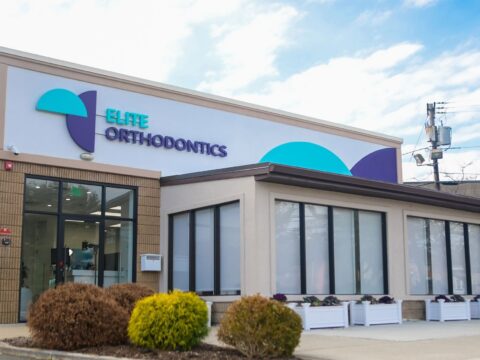
No. Elite has one office, at 61 Berdan Avenue in Wayne, NJ. Families from every town on the Areas We Serve page come to that office for all of their visits.
Can my family see the orthodontist and the pediatric dentist in one place?
Yes. Orthodontics and pediatric dentistry are in the same office on Berdan Avenue, so your child’s dental care and orthodontic care are at one address.
Which appointment should I book?
Book an orthodontic consultation for braces, clear braces, Invisalign or a bite question, at any age; the American Association of Orthodontists recommends a first orthodontic check-up no later than age 7. Book a pediatric appointment for a child’s dental care: a first visit by the first birthday, check-ups every six months, a cavity or an urgent problem. If you are not sure, call 973-706-8339 and the front desk will book the right one.
How do I get directions from my town?
Choose your town on the Areas We Serve page. It opens Google Maps with directions from that town to 61 Berdan Avenue, Wayne, so you can see the route and the travel time for yourself.
Will my insurance work at your office?
Plan participation differs between orthodontics and pediatric dentistry. See insurance and financing for the plans the office works with, or call with the exact plan name on your card and the team will check your benefits.