










While the jaw is still growing

Teen Orthodontics

Braces or aligners timed around growth, sports seasons and school photos. Every step is explained to the teenager, not over their head.

5.0from 300+ Google reviews
Consultation Complimentary
Usual ages Twelve to Sixteen
Options Metal, Ceramic or Aligners
Appointments Around School Where We Can

Why the teenage years

A treatment plan for their teenage years

Most orthodontic treatment happens between twelve and sixteen, while the jaw is still growing.

By then the adult teeth are in, and that growth is useful, which is why the timing matters.

Is it right for you?

When the adult teeth are through

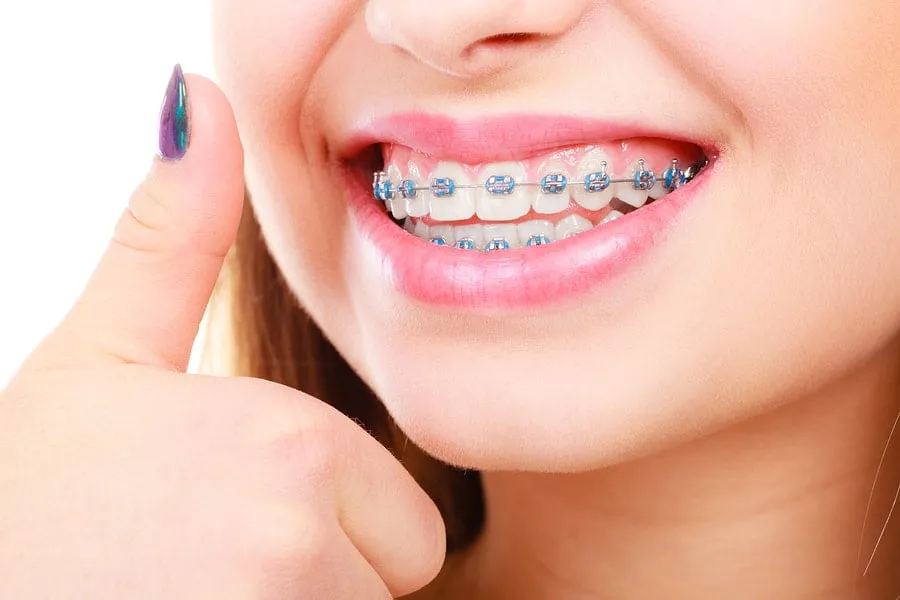
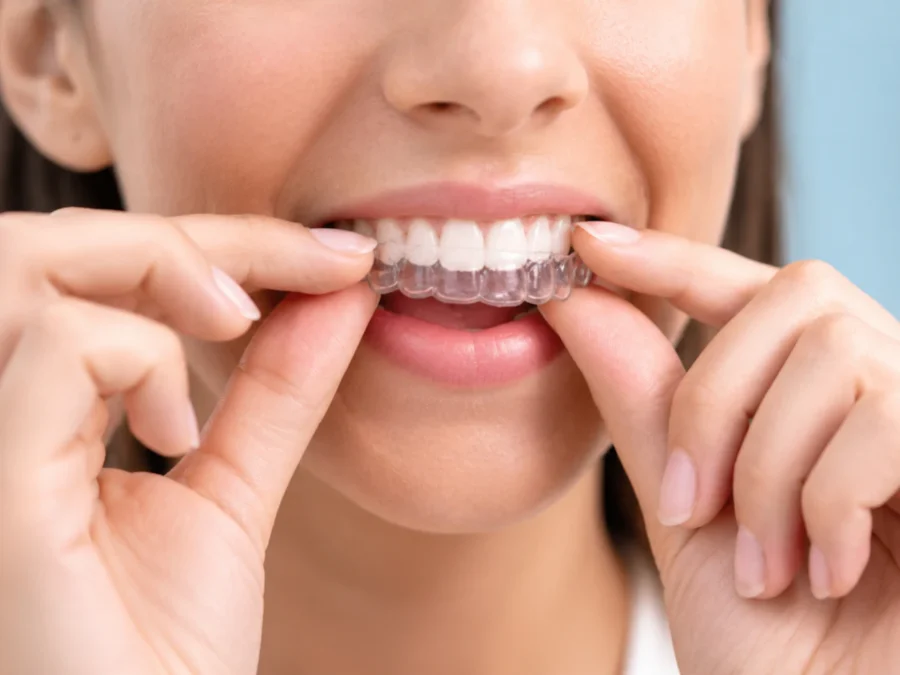
Adult teeth largely through, and crowding, spacing or a bite that needs correcting. Metal braces, ceramic braces and Invisalign for teens are all options.

Your orthodontist will help you choose at the consultation.

Five steps

From first consultation to retainer

  1. Consultation

    The teenager is asked what bothers them, not just the parent.

  2. Records

    A digital scan and photographs.

  3. Choice

    Metal, ceramic or aligners, with the honest trade-off of each.

  4. Treatment

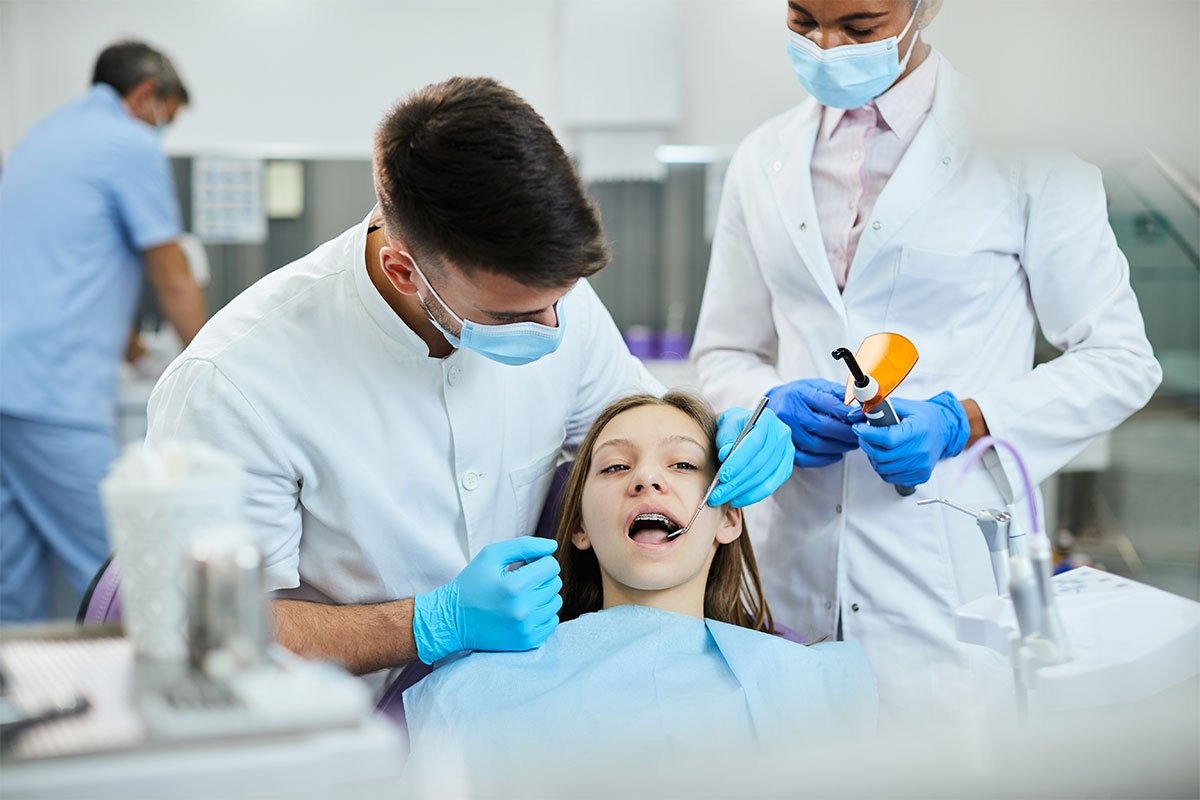
    Adjustments timed around school and sports where we can.

  5. Retention

    A retainer, and a plain conversation about what happens if it is not worn.

Orthodontic specialists

Meet your orthodontists

Both are orthodontic specialists: dental school first, then a university residency spent only on moving teeth and correcting bites.

Dr. Scott Noh, DDS, MS

Comprehensive orthodontic treatment for teens and adults: braces, Invisalign and the retainers that keep a finished smile in place.

  • MS in Orthodontics and three-year orthodontic residency, Columbia University
  • DDS, Columbia University College of Dental Medicine
  • BS in Biochemistry, University of California, Los Angeles

Read full profile

Dr. Kate Lew, DMD

Braces, clear braces and Invisalign for teens and adults, and the Phase I evaluations that decide whether a child should start now or wait.

  • DMD, Rutgers School of Dental Medicine, graduated at the top of her class
  • Orthodontic residency, Columbia University College of Dental Medicine
  • Bachelor of Science, Cornell University
Read full profile

Your consultation

A scan, your options explained side by side, and the cost in writing, in one visit.

Office hours
Mon9:00 - 5:00
Tue - Thu9:30 - 5:30
Fri9:00 - 4:00
Sat8:30 - 1:30 (select)
SunClosed
Book an Orthodontic Consultation

Cost and coverage

Cost, insurance and financing

The fee, your insurance benefit and the payment plan are explained at the consultation, before you start.

Is the consultation free?

Yes. Orthodontic consultations at Elite are complimentary: the orthodontist examines the teeth and bite and explains the options.

What will it cost?

It depends on the bite, the type of treatment and how long it takes. You get a customized quote at the consultation, before you decide.

Will insurance help?

Many dental plans include an orthodontic benefit. We verify your benefits and file the claims on your behalf.

Can I pay monthly?

Yes. Interest-free in-house payment plans, CareCredit for longer terms (subject to credit approval), and HSA or FSA funds.

Seven common questions

What people ask

What treatment options are there for children and teens?

Braces for children and teens come as traditional metal braces or less noticeable ceramic braces, and Invisalign for teens is a clear aligner option. For younger children, early treatment such as a space maintainer or a palatal expander can guide how the jaws and teeth develop. Every plan includes retainers, follow-up care and monitoring after treatment so the result lasts.

How do braces help children and teens?

Beyond straightening the smile, braces correct misalignments that can make chewing, speaking and keeping teeth clean harder. They spread wear more evenly across the teeth, which reduces the risk of damage in later years, and early treatment can help the face develop more symmetrically.

How are parents involved in their child’s treatment?

Closely. The team keeps parents informed at every step, answers questions as they come up, and shows you how to support your child’s treatment and look after their braces at home.

What is the best age to get braces?

There is no single best age. Treatment often starts in childhood or the teenage years, once many of the permanent teeth are through, but the right time depends on how the teeth and jaws are developing. An orthodontic evaluation tells you when treatment should begin.

Do braces hurt?

The fitting does not. The ache starts the following day, lasts a few days, and returns briefly after each adjustment. Ordinary painkillers handle it.

What age is best for Invisalign?

Invisalign is used for responsible teens (Invisalign Teen) and adults of all ages. There is no upper age limit: as long as the teeth and gums are healthy, clear aligners can work at almost any age. For younger children, braces or early orthodontic treatment may be more appropriate.

Can teenagers and adults get clear braces?

Yes. Teens often like braces that are less noticeable at school, in activities and in photos; adults often prefer a subtle option for work and social life. Whether ceramic braces suit you depends on your orthodontic needs, habits and treatment plan.