










On this page
Key Takeaways
How to Care for Traditional Braces:
- Diet Matters: Learning how to care for braces begins with the food you eat. Avoid hard, crunchy, and sticky foods, and opt for softer foods instead. It will make caring for your braces easier and more smooth.
- Consistent Oral Hygiene: Brush your teeth at least twice a day, focusing on cleaning around brackets and wires.
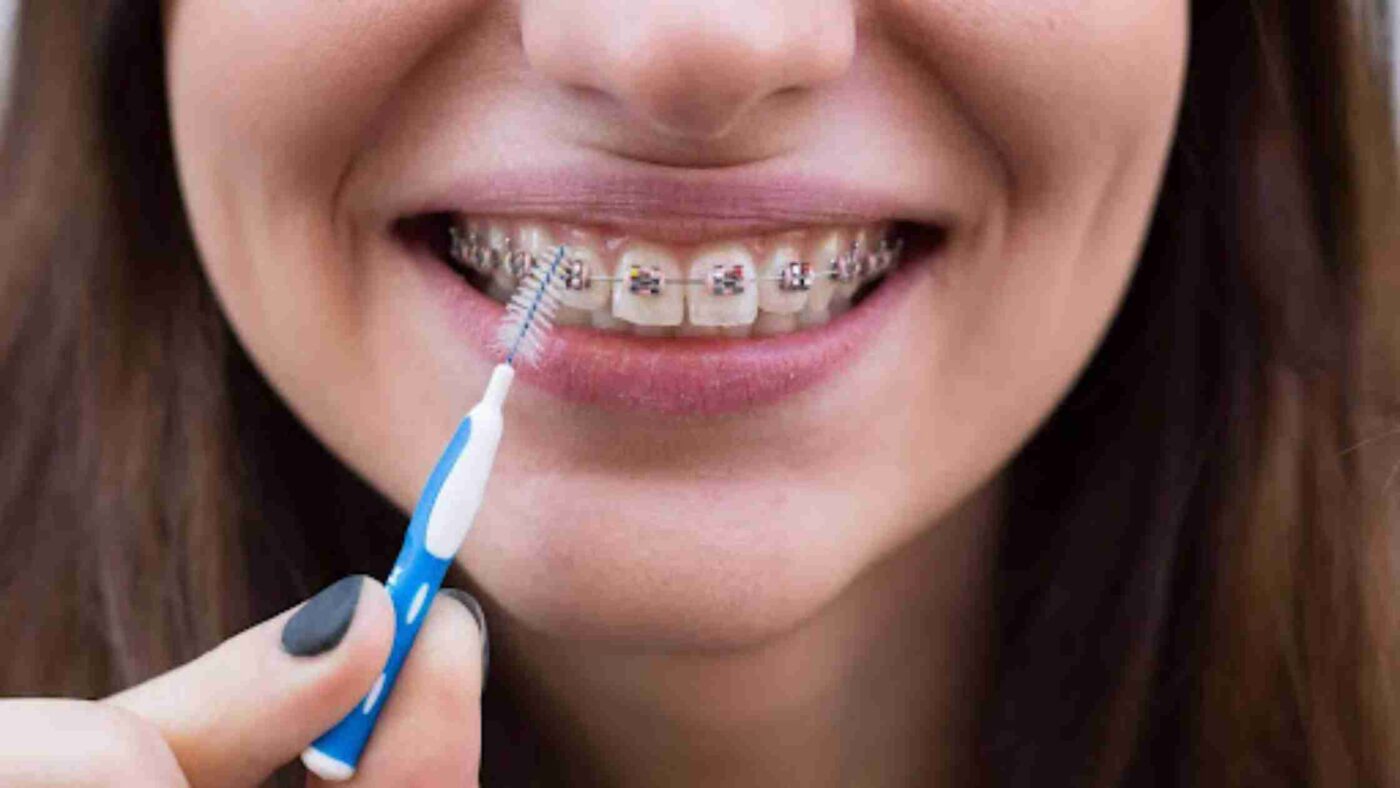
- Interdental Brushes: Incorporate interdental brushes into your routine to clean certain areas your regular toothbrush might miss for a more thorough clean.
- Mouthwash Rinsing: Acts as a vital safeguard in caring for braces, keeping your mouth clean and free from harmful bacteria.
- Sports Protection: If you play sports, wear a mouthguard designed for braces to protect against potential damage.
- Regular Orthodontic Visits: Attend regular appointments with your orthodontist to monitor progress, make adjustments, and address any issues promptly.
- Handle Emergencies: In case of emergencies like loose wires or broken brackets, use orthodontic wax for temporary relief and contact your orthodontist as soon as possible.
Whether you’re a parent guiding your child or an adult embarking on an orthodontic journey, you are undoubtedly wondering how to care for braces. Traditional braces have long been considered a trusted and effective method for achieving a healthy and beautiful smile. However, they do require special care instructions to maintain good oral hygiene and ensure a smooth process. To help keep your or your child’s braces in the best shape possible, we’ve compiled a guide on how to effectively care for braces. Read on to learn how to care for braces, from eating the right foods to being proactive about emergencies.
How to Care for Traditional Braces
Stick to a Braces-Friendly Diet
One of the first steps in caring for your traditional braces is being mindful of what you eat. Certain foods can damage your braces, leading to longer treatment times and potential discomfort. Avoid hard, crunchy, and sticky foods such as popcorn, nuts, caramel, and chewing gum. Instead, opt for softer foods like yogurt, mashed potatoes, and cooked vegetables. Cutting fruits and vegetables into smaller pieces can also help prevent damage to your braces.
Brush and Floss Regularly
Oral hygiene is especially important when you have braces. Brushing and flossing help remove food particles and plaque that can get trapped around the brackets and under the wires. Brush your teeth at least twice a day with fluoride toothpaste, and make sure to clean around the brackets and wires thoroughly. Using an orthodontic or an electric toothbrush with a specialized head can make this task easier. Don’t forget to floss daily – orthodontic floss threaders or water flossers can help you reach between your teeth and braces more effectively for a clean and fresh finish.
Use Interdental Brushes
Interdental brushes are small, handy tools that serve as a vital aid in caring for your braces. They work by cleaning areas your regular toothbrush might miss. Additionally, they are perfect for getting between the wires and around the brackets of your braces. Incorporate interdental brushing into your daily oral hygiene routine to ensure all food particles and plaque are removed.
Rinse with Mouthwash
A good antibacterial mouthwash can help keep your mouth clean and free from harmful bacteria that can cause cavities and gum disease. Rinsing with mouthwash after brushing and flossing can provide an extra layer of protection and help maintain your oral hygiene while wearing braces.
Protect Your Braces During Sports
If you participate in sports, it’s essential to protect your braces from potential damage. Wear a mouthguard designed for braces to shield your teeth and braces from impact. Mouthguards are available in various styles and can be custom-fitted to ensure maximum protection and comfort.
Attend Regular Orthodontic Appointments
Regular visits to your orthodontist are vital for maintaining and caring for your braces and ensuring your treatment stays on track. Your orthodontist will check the progress of your treatment, make necessary adjustments, and address any issues that may arise. If you experience any discomfort or notice anything unusual, don’t hesitate to contact your orthodontist.
Handle Emergencies Promptly
While it’s important to take preventive measures, accidents can still happen. If a wire comes loose or a bracket breaks, contact your orthodontist immediately. Temporary fixes, such as using orthodontic wax to cover a poking wire, can provide relief until you can visit your orthodontist.
Conclusion
Caring for your traditional braces doesn’t have to be a daunting task. By following these essential care tips, you can maintain your braces, uphold excellent oral hygiene, and ensure your treatment progresses smoothly.
At Elite Orthodontics in Northern NJ, we’re here to support you every step of the way. If you have any questions about how to care for braces, don’t hesitate to reach out to us at 973-706-8339 to schedule an appointment. Together, we’ll achieve the healthy and more vibrant smile you deserve.
FAQ
How often should I brush and floss with braces?
Brush your teeth at least twice a day with fluoride toothpaste, focusing on cleaning around the brackets and wires. Floss daily using orthodontic floss threaders or water flossers to remove food particles and plaque from between your teeth and braces.
What are interdental brushes and how do I use them?
Interdental brushes are small tools designed to clean areas your regular toothbrush might miss. They are perfect for getting between the wires and around the brackets of your braces. Use them daily as part of your oral hygiene routine to ensure all food particles and plaque are removed.
Is mouthwash necessary while wearing braces?
Yes, using an antibacterial mouthwash can help keep your mouth clean and free from harmful bacteria that can cause cavities and gum disease. Rinse with mouthwash after brushing and flossing for an extra layer of protection.
Can I still eat my favorite foods with braces?
You can still enjoy many of your favorite foods with braces by making some adjustments. Stick to softer foods and cut harder items into smaller pieces. Avoid anything that could damage your braces, and you’ll be able to enjoy a variety of meals while maintaining your treatment.
How can I maintain good oral hygiene with braces?
Care for your braces by brushing twice a day, flossing daily, using interdental brushes, and rinsing with antibacterial mouthwash.