










On this page
- Introduction: Trusted Pediatric Orthodontic Care in Wayne, NJ
- Understanding a Crossbite in Children
- Why Early Detection of Crossbite in Children Matters
- Common Signs of a Crossbite in Children
- What Causes a Crossbite in Children?
- When Should a Crossbite in Children Be Treated?
- Treatment Options for Crossbite in Children
- Does a Crossbite in Children Get Worse with Age?
- Why Families in Wayne, NJ Choose Elite Orthodontics & Pediatric Dentistry
- Conclusion: Don’t Wait to Treat a Crossbite in Children
- Frequently Asked Questions About Crossbite in Children
Early evaluation, ideally by age 7, can help correct a crossbite in children before it leads to more complex issues.
Introduction: Trusted Pediatric Orthodontic Care in Wayne, NJ
At Elite Orthodontics & Pediatric Dentistry in Wayne, NJ, we specialize in early diagnosis and treatment of bite issues like crossbite in children. Our team combines advanced orthodontic techniques with a warm, family-friendly approach trusted by parents throughout Passaic County. Recognizing the signs of a crossbite in children early allows us to guide proper jaw development and create healthy, confident smiles that last a lifetime.
Understanding a Crossbite in Children
A crossbite in children occurs when the upper teeth sit inside the lower teeth when biting down. This can affect the front teeth (anterior crossbite) or back teeth (posterior crossbite). While it may appear minor, a crossbite in children can significantly impact jaw growth and oral health if left untreated.
If you’re already researching bite issues, you may also find it helpful to read about related conditions like overbite.
Why Early Detection of Crossbite in Children Matters
Clinical insights from the American Journal of Orthodontics and Dentofacial Orthopedics (AJO-DO) show that early orthodontic intervention improves jaw development and reduces the need for complex treatment later. A crossbite in children is especially responsive to early care because the jaw is still growing.
According to the American Association of Orthodontists, children should receive their first orthodontic evaluation by age 7.
Early treatment of a crossbite in children helps prevent:
- Jaw asymmetry
- Tooth damage and uneven wear
- Gum recession
- Bite dysfunction
- Long-term orthodontic complications
Common Signs of a Crossbite in Children
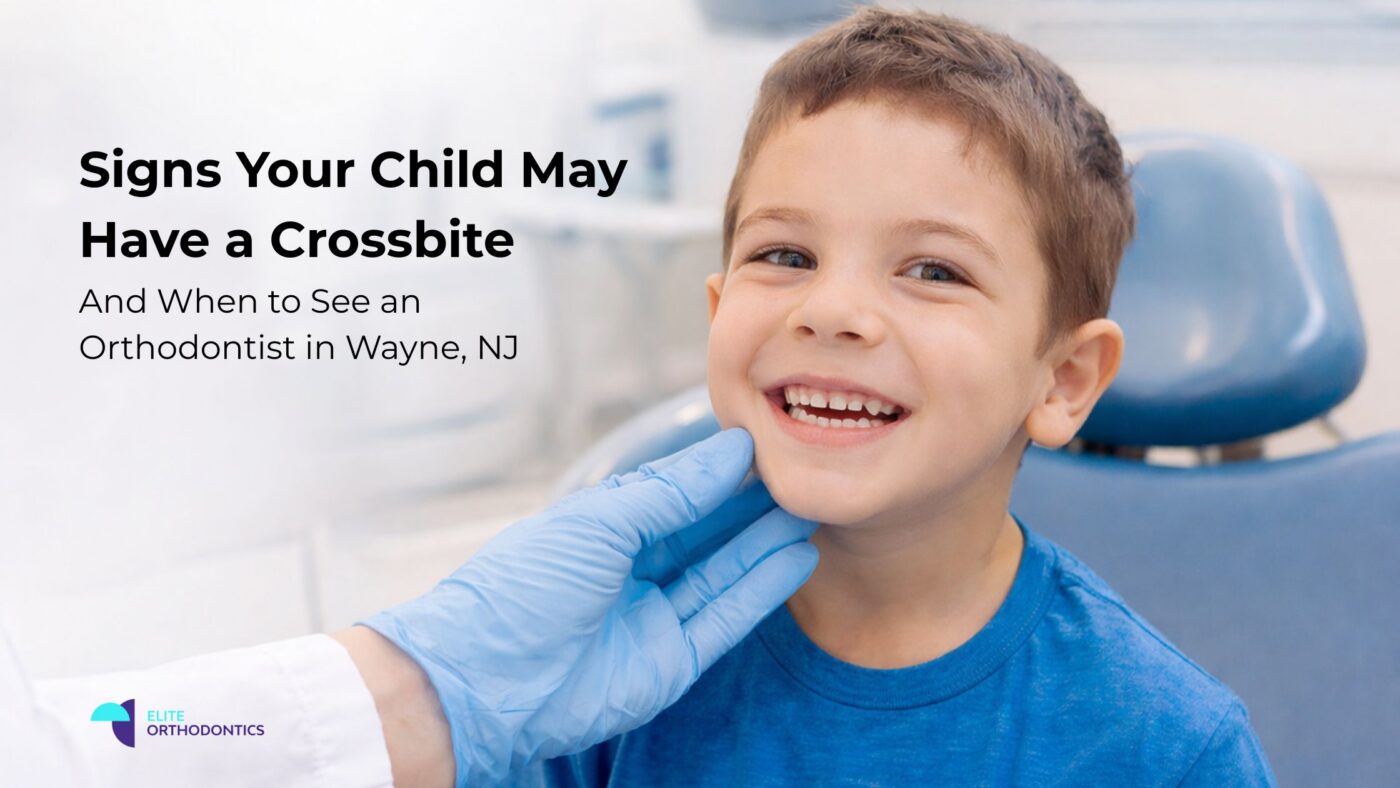
Recognizing a crossbite in children early can make all the difference in preventing long-term complications. Because symptoms can be subtle at first, parents should watch for both visual and functional changes in their child’s bite and jaw development. Look for these common signs:
Upper teeth sitting inside lower teeth
This is the most obvious sign of a crossbite in children, where the bite appears reversed instead of properly aligned.
Jaw shifting when biting
If your child moves their jaw to one side when closing their mouth, it may indicate the body is compensating for a crossbite in children.
Uneven tooth wear
A crossbite in children can place extra pressure on certain teeth, leading to premature enamel wear or chipping over time.
Difficulty chewing or biting food
Children with a crossbite in children may avoid certain foods or chew on one side due to discomfort or imbalance.
Speech challenges
Misalignment from a crossbite in children can sometimes affect how sounds are formed, leading to minor speech issues.
Facial imbalance or asymmetry
Over time, an untreated crossbite in children can influence jaw growth, causing visible differences in facial structure.
If you notice any of these signs of a crossbite in children, it’s best to schedule an orthodontic evaluation as early as possible. Early diagnosis allows for simpler, more effective treatment and helps ensure your child’s smile develops properly.
What Causes a Crossbite in Children?
A crossbite in children can develop due to:
- Genetics and inherited jaw structure
- Prolonged thumb sucking or pacifier use
- Mouth breathing
- Delayed or improper tooth eruption
- Narrow upper jaw
Understanding the cause helps determine the best treatment approach for a crossbite in children.
When Should a Crossbite in Children Be Treated?
The ideal time to evaluate and treat a crossbite in children is around age 7. At this stage, orthodontists can guide jaw growth effectively through early (Phase 1) treatment.
For more details on early care options, visit our pediatric orthodontic services page.
Early intervention for a crossbite in children often means:
- Shorter treatment time
- Less invasive procedures
- Better long-term results
Treatment Options for Crossbite in Children
A crossbite in children is highly treatable with modern orthodontics:
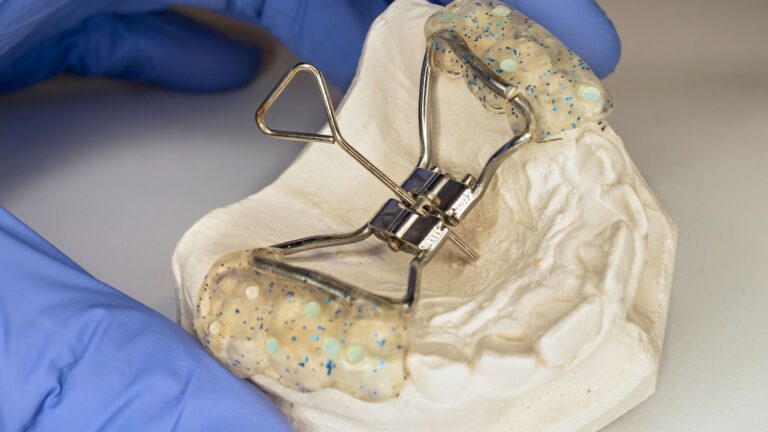
- Palatal Expanders: Used to widen the upper jaw and correct alignment.
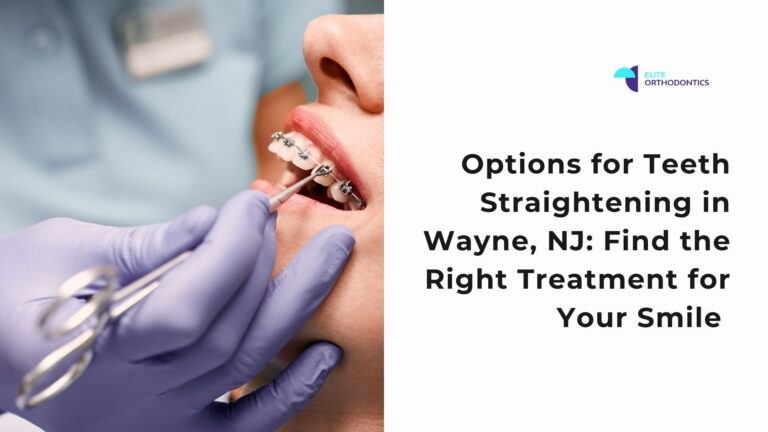
- Braces: Help reposition teeth into proper alignment.
- Clear Aligners: Aesthetic option for older children and teens.
- Habit Appliances: Address behaviors contributing to a crossbite in children.
Does a Crossbite in Children Get Worse with Age?
Yes. A crossbite in children rarely corrects itself and often worsens as the child grows. The jaw may develop unevenly, making future treatment more complex.
That’s why early detection and treatment of a crossbite in children is critical.
Why Families in Wayne, NJ Choose Elite Orthodontics & Pediatric Dentistry
Families trust Elite Orthodontics & Pediatric Dentistry in Wayne, NJ because of our:
- Specialized pediatric expertise
- Evidence-based treatment planning
- State-of-the-art technology
- Comfortable, child-focused environment
We take a proactive approach to treating crossbite in children, ensuring the best outcomes with minimal stress.
Conclusion: Don’t Wait to Treat a Crossbite in Children
A crossbite in children may seem minor at first, but early treatment can prevent long-term complications and support proper facial development.
If you suspect your child has a crossbite, now is the time to act.
Schedule a consultation with Elite Orthodontics & Pediatric Dentistry in Wayne, NJ today and give your child the healthiest start to a confident smile.
Frequently Asked Questions About Crossbite in Children
At what age should a crossbite be corrected?
A crossbite in children should ideally be evaluated by age 7, when the jaw is still developing. Early treatment allows orthodontists to guide proper growth and prevent more serious issues later.
How to fix a crossbite in a 7 year old?
A crossbite in children at age 7 is commonly treated with a palatal expander or limited braces. These early treatments are gentle and highly effective because the jaw is still flexible.
When is it too late to fix a crossbite?
It’s never too late to correct a crossbite in children or even adults, but treatment becomes more complex with age. Early intervention typically leads to faster, more predictable results.
What is the fastest way to fix a crossbite?
The fastest way to correct a crossbite in children is usually with a palatal expander, which widens the upper jaw. In some cases, braces or aligners may be used alongside expansion for optimal results.
Does crossbite get worse with age?
Yes, a crossbite in children often worsens over time if left untreated. It can lead to jaw misalignment, uneven tooth wear, and even facial asymmetry as the child grows.
Is it worth fixing a crossbite?
Absolutely. Treating a crossbite in children improves bite function, protects teeth from damage, and supports proper facial development. It also helps boost your child’s confidence as they grow.
Why does my child have a crossbite?
A crossbite in children can be caused by genetics, thumb sucking, prolonged pacifier use, or improper jaw development. An orthodontic evaluation can determine the exact cause and best treatment plan.