









On this page
Key Takeaways
Exploring Stage One Orthodontics in Northern New Jersey:
- Early Treatment for Children: Ideal for children between 6 and 10 years old, using their growth phases to address and prevent certain dental issues like crowding and misaligned bites.
- Benefits of Early Treatment: Guides jaw growth, ensures proper spacing for permanent teeth and can prevent severe dental problems.
- Process of Stage One Orthodontics: May include fixed appliances, such as braces, and removable ones like expanders, tailored to each child’s dental needs. Initial evaluations typically involve comprehensive diagnostics using X-rays and digital scans to design an effective treatment plan.
- Choosing a Pediatric Orthodontist: Select an orthodontist who specializes in pediatric orthodontics and uses the latest technology for more precise and comfortable treatments. Consider their reputation in the community and ensure the practice environment is welcoming for children to ease their treatment experience.
- Long-Term Benefits of Stage One Orthodontics: Engaging in early orthodontic treatment sets a strong foundation for your child’s dental health, aligning the jaw correctly and spacing teeth properly, which might reduce the need for more extensive orthodontic work later in life.
This is particularly true for Stage One orthodontics, a critical phase in early orthodontic treatment that aims to address dental issues before they develop into more significant problems. In Northern New Jersey, families are fortunate to have access to numerous top-tier orthodontic specialists who focus on this proactive approach. This blog post will delve into what Stage One orthodontics involves, why it’s important, and what parents need to know about early and preventive care for their children.
What is Stage One Orthodontics?
Stage One orthodontics, often referred to as early orthodontic treatment or preventive orthodontics, targets children between the ages of 6 and 10. This stage capitalizes on a child’s still-developing teeth and jaw to address issues such as crowding, spacing, overbites, and underbites. The goal is not just to correct apparent problems but to prevent future ones, making subsequent orthodontic treatments (if needed at all) less invasive and more straightforward.
Why Consider Stage One Orthodontic Treatment?
Developmental Benefits
Early treatment helps guide the jaw’s growth, ensuring that there is enough space for permanent teeth to emerge correctly.
Preventive Care
By correcting issues such as improper bites and alignments early, Stage One treatment can prevent more severe problems that might require extensive orthodontic procedures or even surgery later on.
Cost Efficiency
Addressing orthodontic issues early can often result in shorter and less complex treatment later, potentially reducing the overall cost and duration of orthodontic care.
What Does Stage One Treatment Involve?
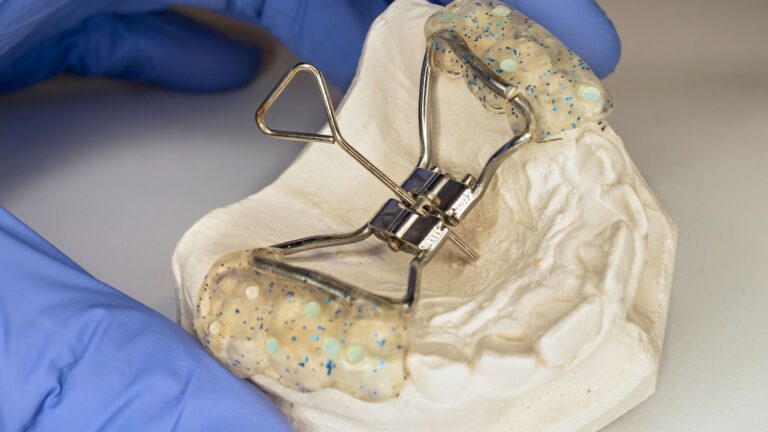
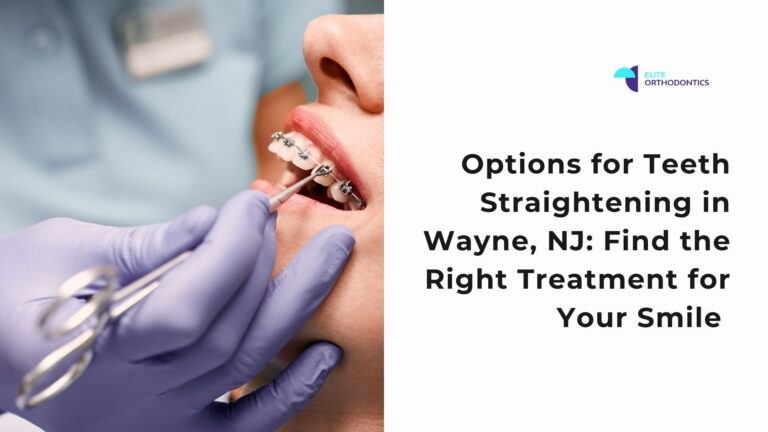
Treatment might include fixed appliances, like braces, or removable ones, like expanders, depending on the child’s specific needs. The approach is highly tailored; orthodontists in Northern NJ typically begin with a comprehensive evaluation, including X-rays and digital scans, to create a precise treatment plan.
Choosing the Right Orthodontist in Northern NJ
When selecting an orthodontist for Stage One treatment, it’s crucial to consider their experience and expertise in early orthodontic care. Look for practitioners who have these attributes:
Specialization in Pediatric Orthodontics
Opt for orthodontists who specialize in pediatric orthodontics. These professionals have additional training and experience specifically related to treating children, which is important since children’s dental needs differ significantly from those of adults. A specialist in pediatric orthodontics is more likely to understand the nuances of early jaw development, including how to effectively manage the orthodontic needs of younger patients.
Positive Reputation Among Local Families
A strong reputation in the community is a key indicator of reliability and quality of care. Look for orthodontists who come highly recommended by other families in your area. Reviews and testimonials can provide insights into others’ experiences, helping you gauge the level of satisfaction with treatment outcomes and patient care. An orthodontist who is well-regarded by local families is likely to offer trustworthy and effective treatments.
Welcoming Environment
The atmosphere of the orthodontic office should be friendly and inviting to children. A practice that caters to the comfort and needs of young patients can greatly ease the anxiety associated with dental visits. Features such as a child-friendly waiting area, staff who are skilled at interacting with children, and a generally warm atmosphere can make a significant difference in how your child perceives visits to the orthodontist.
Use of the Latest Technology
Advances in orthodontic technology not only improve the accuracy of diagnoses and treatment plans but also often reduce discomfort and the duration of treatment. Look for an orthodontist who utilizes state-of-the-art technology such as digital X-rays, 3D imaging, and advanced treatment options like invisible aligners suitable for young patients. Using modern technology can significantly enhance the efficiency and effectiveness of your child’s orthodontic care.
Conclusion
Stage One Orthodontics in Northern NJ offers a proactive approach to dental care, ensuring children enjoy both functional and aesthetic benefits from an early age. By focusing on early and preventive treatment, parents can play a critical role in their children’s overall health and well-being. Remember, the journey to a perfect smile begins with the right foundation, make sure your child’s is as strong as it can be.
Are you interested in learning more about early orthodontic treatment for your child? Book an appointment with the top pediatric orthodontists at Elite Orthodontics in Northern New Jersey.
FAQ
What does Stage One orthodontics treatment typically involve?
Treatment may include fixed appliances like braces or removable ones like expanders, depending on the child’s needs. Each treatment plan is highly customized, starting with a thorough evaluation using X-rays and digital scans to precisely address each child’s unique dental issues.
How do I choose the right orthodontist in Northern NJ for early treatment?
When selecting an orthodontist for Stage One treatment, consider the following:
- Specialization: Choose someone who specializes in pediatric orthodontics.
- Reputation: Look for orthodontists with positive reviews and strong recommendations from local families.
- Environment: Ensure the practice is child-friendly and welcoming to make the experience as comfortable as possible for your child.
- Technology: Opt for orthodontists who use advanced, modern technology to enhance treatment effectiveness and comfort.
What are the long-term benefits of Stage One orthodontics?
The long-term benefits include a well-aligned jaw, proper spacing for permanent teeth, and a reduced need for more invasive orthodontic treatments later. This proactive approach contributes significantly to the overall dental health and well-being of the child, paving the way for a beautiful, healthy smile that lasts a lifetime.
At what age should my child first visit an orthodontist for an evaluation?
The American Association of Orthodontists recommends that children have their first orthodontic evaluation by the age of 7. This allows orthodontists to detect any issues with jaw growth and emerging teeth early, even though treatment might not start immediately.
Are there signs that my child might need early orthodontic treatment?
Yes, some signs might suggest your child could benefit from early orthodontic treatment are:
- Early or late loss of baby teeth
- Difficulty in chewing or biting
- Breathing through the mouth
- Thumb sucking after age 5
- Crowded, misplaced, or blocked-out teeth
- Jaws that shift or make sounds
- Biting the cheek or roof of the mouth
- Teeth that meet abnormally or not at all
How long does Stage One orthodontic treatment usually last?
The duration of Stage One treatment varies depending on the child’s specific dental issues but typically lasts between 6 to 18 months. After this initial phase, the orthodontist may recommend a resting period to allow for further growth and development before beginning any necessary additional treatment.
Can early orthodontic treatment prevent the need for braces later on?
While early treatment can address significant issues and reduce the complexity of later treatment, it does not always eliminate the need for braces during adolescence. However, it can decrease the time spent in braces and simplify any remaining corrections.
What are the potential consequences of delaying orthodontic treatment for my child?
Delaying treatment can lead to more complicated dental issues that might require more invasive treatments later. Problems like severe misalignment, overcrowding, and bite irregularities can impact not only dental health but also overall well-being, potentially leading to difficulties in eating, speaking, and maintaining proper oral hygiene.