










On this page
- Key Takeaways
- Start Early: Caring for Gums and Baby Teeth
- Teaching Kids to Brush: Making it Engaging
- When and How to Introduce Flossing
- Building Consistent Oral Care Routines
- Preventing Common Dental Issues
- Why Early Dental Care is Vital
- Practical Tips for Parents
- Make the Most of Professional Dental Visits
- Schedule Your Child’s Appointment Today
- FAQ
Key Takeaways
How Can I Teach My Kids Good Dental Hygiene Habits?
- Start Early: Begin oral care before the first tooth with gum cleaning and transition to brushing with fluoride toothpaste.
- Make Brushing Fun: Use colorful tools, timers, and family brushing sessions to engage kids.
- Introduce Flossing Early: Start flossing when teeth touch, using floss picks for easier handling.
- Build a Routine: Establish morning and evening brushing, flossing, and regular dental visits.
- Prevent Dental Issues: Limit sugary foods, use fluoride products, and protect teeth with mouthguards during sports.
At Elite Orthodontics in Wayne, NJ, we’re committed to equipping parents with the tools and knowledge to make oral care an enjoyable and effective routine. This guide provides practical tips to help you teach kids how to care for their teeth in ways that are both fun and rewarding.
Start Early: Caring for Gums and Baby Teeth
Dental care begins even before your child’s first tooth appears. Gently wiping your baby’s gums with a soft, damp cloth after feedings removes bacteria and gets them accustomed to oral care. As soon as that first tooth emerges, switch to a soft baby toothbrush and use a tiny amount of fluoride toothpaste, roughly the size of a grain of rice.
Starting early not only protects your child’s first teeth but also establishes a routine that feels natural as they grow. By familiarizing them with daily oral care, you set the stage for lifelong habits that promote healthy teeth and gums.
Teaching Kids to Brush: Making it Engaging
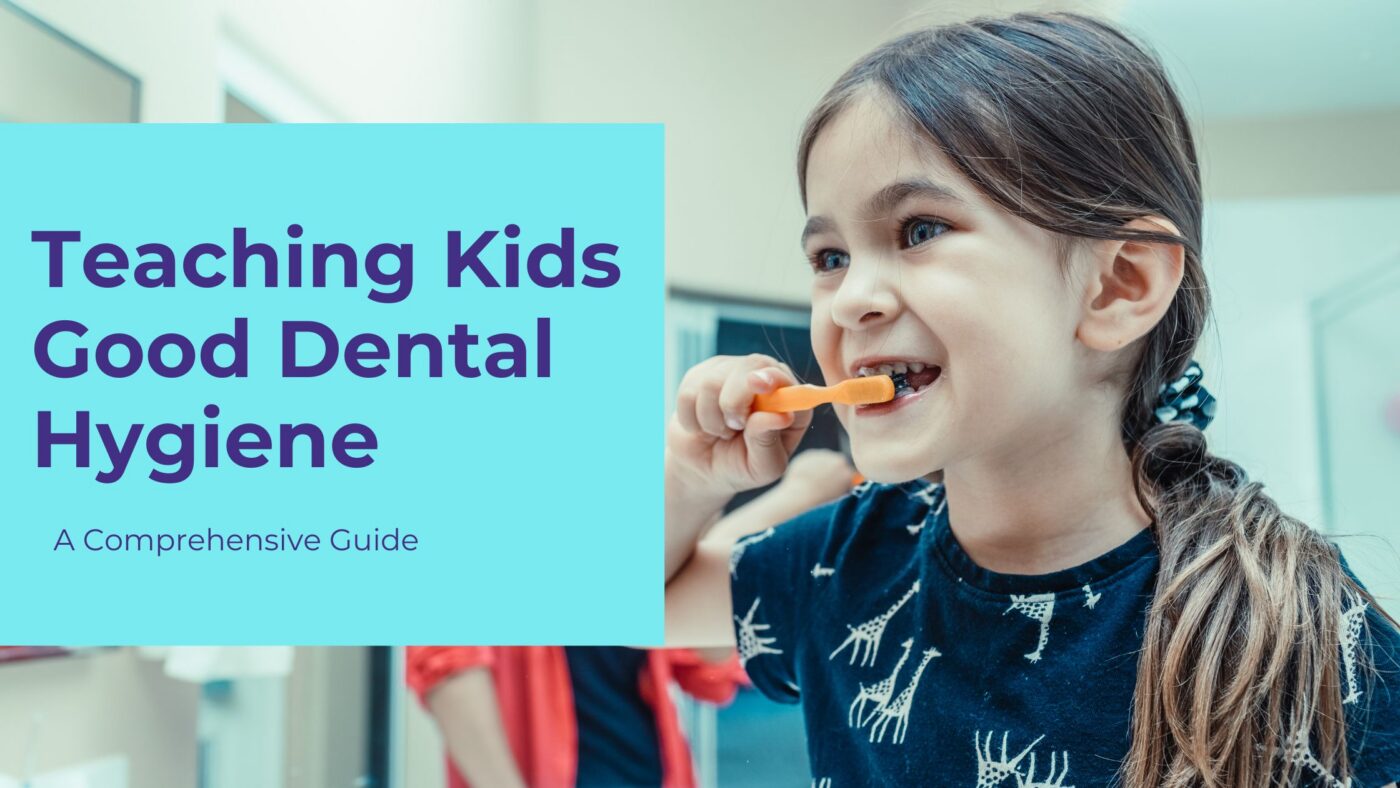
Getting children excited about brushing can sometimes be challenging, but turning it into a fun activity helps them stay consistent.
Here are some effective strategies:
- Use Appealing Tools: Choose toothbrushes with bright colors or favorite characters, and opt for toothpaste flavors kids enjoy, such as strawberry or bubblegum. These details make brushing feel less like a chore.
- Set a Timer: Two minutes is the recommended brushing duration. Use a timer, an app, or even a favorite song to make it more entertaining while ensuring thorough cleaning.
- Brush Together: Kids often mimic adults. By brushing alongside them, you not only model good technique but also reinforce the importance of oral hygiene.
These small but impactful efforts can transform brushing into a positive part of their daily routine.
When and How to Introduce Flossing
Flossing is a critical step in maintaining oral health, as it removes food particles and plaque from areas a toothbrush can’t reach. Introduce flossing as soon as your child’s teeth begin to touch, typically around age two or three.
How To Get Started:
- Use Floss Picks: These tools are easier for little hands to maneuver. Sit with your child and guide them until they feel confident handling floss on their own.
- Encourage Independence: By age six or seven, many children can floss independently with occasional supervision.
- Explain the Benefits: Help them understand that flossing removes “hidden food bits” and keeps their gums healthy.
Making flossing a regular part of their routine helps prevent cavities and gum issues as they grow.
Building Consistent Oral Care Routines
Consistency is key to developing lasting habits. Establishing a predictable oral care schedule ensures your child understands the importance of taking care of their teeth.
An ideal daily routine includes:
- Morning Brushing: Start the day by removing plaque that builds up overnight, ensuring fresh breath and clean teeth.
- Evening Brushing and Flossing: Before bed, thoroughly clean their teeth and gums to remove food particles and plaque accumulated throughout the day.
Pro Tip:
Schedule dental visits every six months to monitor oral health, address potential issues early, and reinforce the importance of professional care.
A structured routine fosters a sense of responsibility and helps children view oral care as an essential part of their day.
Preventing Common Dental Issues
Taking proactive steps can help your child avoid common dental problems like cavities and gum disease. Prevention starts with small, manageable changes that make a big difference over time.
Key strategies include:
- Reducing Sugary Foods and Drinks: Limit snacks like candy and sugary beverages, which contribute to tooth decay. Instead, offer healthier options like fruits, vegetables, and water.
- Using Fluoride Products: Fluoride strengthens tooth enamel and reduces the risk of cavities. Incorporate fluoride toothpaste and discuss professional fluoride treatments with your dentist.
- Wearing Mouthguards for Sports: If your child participates in contact sports, a custom-fit mouthguard provides essential protection against dental injuries.
By focusing on prevention, you safeguard your child’s oral health and minimize the need for more extensive dental treatments.
Why Early Dental Care is Vital
Starting dental care early does more than prevent cavities; it builds a foundation of responsibility and confidence. Regular care from a young age helps children avoid painful issues and costly treatments later in life.
Introducing dental visits early also fosters a positive association with professional care. At Elite Orthodontics, we focus on creating a friendly, stress-free environment where kids feel comfortable. Building this trust ensures they’re more likely to maintain good oral health as they grow older.
Practical Tips for Parents
Helping your child develop good dental habits doesn’t have to be complicated. Here are some additional tips to make the process smoother:
- Offer Rewards: Use a sticker chart or small incentives to celebrate milestones like brushing twice a day for a week.
- Read Books About Oral Care: Many children’s books focus on the importance of brushing and visiting the dentist, making the topic more relatable.
- Stay Positive: Encourage your child by emphasizing the benefits of a healthy smile rather than focusing on potential problems.
These approaches keep the experience upbeat and encourage long-term commitment to good oral hygiene.
Make the Most of Professional Dental Visits
Regular dental appointments play a crucial role in your child’s oral health journey. These visits allow dentists to:
- Monitor Growth: Track the development of teeth and jaws to catch potential alignment issues early.
- Provide Cleanings: Remove plaque and tartar buildup that at-home brushing might miss.
- Offer Guidance: Reinforce good habits and provide advice tailored to your child’s specific needs.
Choosing a dental practice specializing in pediatric care ensures your child receives age-appropriate treatment in a comfortable setting.
Schedule Your Child’s Appointment Today
Setting your child on the path to a lifetime of healthy smiles starts now. At Elite Orthodontics, we’re here to support your family with expert care, personalized guidance, and a welcoming atmosphere.
Contact us today to schedule your child’s next appointment. Let’s work together to keep their smile bright, healthy, and full of confidence!
FAQ
When should I start cleaning my baby’s gums?
You can begin cleaning your baby’s gums with a soft, damp cloth after feedings, even before the first tooth emerges.
How can I make brushing fun for my child?
Use colorful toothbrushes, kid-friendly toothpaste flavors, and play songs or use timers to make brushing a fun activity.
At what age should kids start flossing?
Introduce flossing when your child’s teeth begin to touch, usually around age two or three, and guide them until they can do it independently.
What foods should I avoid to prevent cavities in kids?
Limit sugary snacks and drinks like candy, soda, and juice. Offer healthier options like fresh fruits, vegetables, and water instead.
Why are regular dental visits important for kids?
Regular dental visits monitor teeth and jaw growth, provide professional cleanings, and reinforce good oral hygiene habits in a stress-free setting.
What can I do to prevent sports-related dental injuries?
Have your child wear a custom-fit mouthguard during contact sports to protect their teeth from potential damage.