










On this page
Key Takeaways
What are some essential pediatric dental care tips for parents?
- Start oral care before teething by cleaning gums with a damp cloth.
- Schedule the first dental visit by age one.
- Teach proper brushing techniques with fluoride toothpaste.
- Introduce flossing when two teeth touch.
- Encourage a balanced diet and limit sugary snacks.
- Consider dental sealants and fluoride treatments.
- Protect teeth during sports with a mouthguard.
- Make dental visits enjoyable and lead by example.
Ensuring children grow up healthy includes paying attention to their dental health. At Elite Orthodontics & Pediatrics in Wayne, New Jersey, we’re committed to helping you maintain your child’s dental health. Here are some pediatric dental care tips to guide you.
Pediatric Dental Care Tips for Parents
Begin Oral Care Before Teething
Oral hygiene should start before your baby’s first tooth appears. Clean your baby’s gums with a soft, damp cloth after feedings to remove bacteria and prevent buildup. This simple practice helps establish a routine and keeps your baby’s mouth clean. When teeth begin to emerge, usually around six months, switch to a small, soft-bristled toothbrush. Use a tiny smear of fluoride toothpaste, about the size of a grain of rice, to gently brush their teeth. This helps prevent tooth decay and lays the foundation for lifelong, healthy dental habits.
Early oral care protects your baby’s first teeth and helps them get used to the sensation of brushing, making the transition to a comprehensive dental care routine easier as they grow. Additionally, early brushing reduces the risk of childhood cavities, which are common but preventable. Good oral hygiene should be a consistent part of your baby’s daily routine, just like feeding and sleeping. By establishing this habit early, you set your child up for a future of good dental health.
Schedule the First Dental Visit By Age One
The American Academy of Pediatric Dentistry recommends scheduling your child’s first dental visit by their first birthday. Early visits detect potential issues early and set the stage for lifelong good dental habits. During this visit, the dentist will check for signs of tooth decay, ensure proper tooth development, and provide guidance on home dental care. This early checkup can prevent minor issues from becoming major problems.
Regular dental visits help your child become familiar with the dental office, reducing anxiety and fear in the future. A child accustomed to seeing the dentist regularly is more likely to feel comfortable during appointments. Starting dental visits early ensures prompt attention to any dental concerns and the best possible care from the beginning.
Teach Proper Brushing Techniques
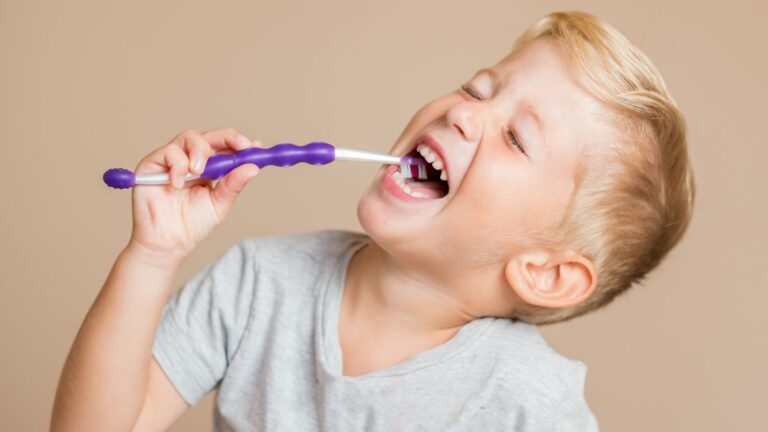
Guide your child on how to brush correctly as soon as they can hold a toothbrush. Use a pea-sized amount of fluoride toothpaste and show them how to brush all tooth surfaces for at least two minutes twice a day. Supervise their brushing until they can do it effectively on their own, usually around age six or seven.
Making brushing fun can help your child develop a positive attitude toward dental hygiene. Use songs, timers, or reward charts to make the experience enjoyable. Teaching proper brushing techniques early ensures your child develops the skills necessary for maintaining oral health independently.
Start Flossing Early
Flossing removes food particles and plaque between teeth where a toothbrush can’t reach. Introduce flossing as soon as your child has two teeth that touch. Use gentle, child-friendly floss, and show them how to floss correctly. Make it a fun activity to keep their interest.
Introducing flossing early helps prevent cavities and gum disease, promoting healthier teeth and gums. Regular flossing improves overall oral hygiene and reduces the risk of future dental issues. By establishing these habits early, you ensure your child is well-equipped to maintain their oral health as they grow.
Encourage a Balanced Diet
A balanced diet is important for maintaining your child’s dental health. Offer a variety of fruits, vegetables, whole grains, and lean proteins to ensure they receive the necessary nutrients for strong teeth and gums. Foods rich in calcium, such as dairy products, help build strong tooth enamel, while crunchy fruits and vegetables help clean teeth and stimulate gums.
Limiting sugary snacks and beverages is crucial to preventing tooth decay. Sugary foods and drinks create an environment where bacteria thrive, leading to cavities. Encourage healthy snacking habits by offering alternatives like fresh fruit, yogurt, or cheese.
Opt for Water Over Sugary Drinks
Water is the best beverage for maintaining your child’s dental health. It helps rinse away food particles and keeps their mouths hydrated, preventing dry mouths and tooth decay. Encourage your child to drink water throughout the day, especially after meals and snacks, to help wash away any remaining food particles and bacteria.
Avoid sugary drinks like soda and juice, which can erode tooth enamel and cause cavities. These beverages are high in sugar and can significantly contribute to dental decay if consumed regularly. Opting for water instead helps protect your child’s teeth and promotes overall health.
Preventive Measures
Consider Dental Sealants
Dental sealants are a highly effective preventive measure that can protect your child’s teeth from cavities. These thin, protective coatings are applied to the chewing surfaces of the back teeth, where decay often starts. Sealants act as a barrier, preventing food particles and bacteria from getting trapped in the grooves and pits of the teeth.
Sealants are particularly beneficial for children who are still mastering their brushing techniques, as they provide an extra layer of protection. The application process is quick and painless, and the sealants can last for several years with proper care.
Use Fluoride Treatments
Fluoride strengthens tooth enamel and helps prevent decay. Ensuring your child gets an adequate amount of fluoride is essential for their dental health. In addition to using fluoride toothpaste, consider professional fluoride treatments at the dentist’s office. These treatments provide a higher concentration of fluoride than over-the-counter products and offer extra protection against cavities.
Fluoride treatments are especially important for children at higher risk of dental decay or those without access to fluoridated water. Your dentist can recommend the best fluoride regimen for your child based on their individual needs.
Managing Dental Emergencies
Stay Calm During Emergencies
Dental emergencies can be stressful, but staying calm is crucial. If your child chips or loses a tooth, contact your dentist immediately. In the case of a knocked-out tooth, keep it moist by placing it in milk and see your dentist as soon as possible.
Preparing for dental emergencies by having your dentist’s contact information readily available can make a significant difference. Educate yourself and your child on the basics of first aid for dental injuries.
Protect Teeth During Sports
Sports can pose a risk to teeth. Ensure your child wears a mouthguard during sports activities to protect their teeth from potential injuries. Custom-fitted mouthguards offer the best protection and comfort.
Encouraging the use of mouthguards protects teeth and helps prevent injuries to the lips, tongue, and jaw. Talk to your dentist about getting a custom mouthguard for your child.
Creating Positive Dental Experiences
Make Dental Visits Enjoyable
Creating a positive experience around dental visits can significantly impact your child’s attitude towards dental care. Choose a pediatric dentist who creates a welcoming and child-friendly environment. Pediatric dentists often have specialized training and offices designed to make children feel comfortable.
Incorporate small rewards, such as stickers or a special activity, to celebrate successful dental visits. This can motivate your child and reduce any fear or anxiety they might have. Regular, enjoyable dental visits can lead to better cooperation and a more positive attitude towards dental hygiene as your child grows.
Lead by Example
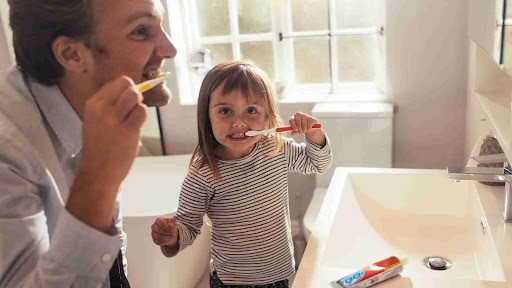
Children often mimic their parents’ behavior. Show your child that you value dental hygiene by brushing and flossing regularly and attending your dental checkups. When your child sees you taking care of your teeth, they are more likely to adopt similar habits.
Make brushing and flossing a family activity to reinforce the importance of good oral hygiene. By demonstrating proper dental care and maintaining regular dental visits, you can encourage your child to follow suit.
Looking for a top-rated pediatric dentist in Northern NJ? Schedule an appointment for your child at Elite Orthodontics & Pediatrics today!
FAQ
When should I start cleaning my baby’s gums?
Start cleaning your baby’s gums with a soft, damp cloth after feedings, even before the first tooth appears.
When is the right time for my child’s first dental visit?
Schedule your child’s first dental visit by their first birthday, as recommended by the American Academy of Pediatric Dentistry.
How can I teach my child to brush their teeth properly?
Teach proper brushing techniques as soon as your child can hold a toothbrush, using a pea-sized amount of fluoride toothpaste and supervising them until they can brush effectively on their own.
Why is flossing important for children?
Flossing removes food particles and plaque between teeth, preventing cavities and gum disease. Start flossing as soon as two teeth touch.
What foods should I encourage for my child’s dental health?
Encourage a balanced diet with fruits, vegetables, whole grains, and lean proteins. Limit sugary snacks and beverages.
How can I protect my child’s teeth during sports?
Ensure your child wears a mouthguard during sports to protect their teeth from injuries. Custom-fitted mouthguards offer the best protection.