







Fixed metal brackets

Traditional Braces

The most predictable option for complex bites, and still the fastest for many cases.

5.0from 300+ Google reviews
Consultation Complimentary
Ages seen Children, Teens and Adults
Fitting Around an Hour
Adjustments Every Four to Eight Weeks

How braces move teeth

A plan for your bite

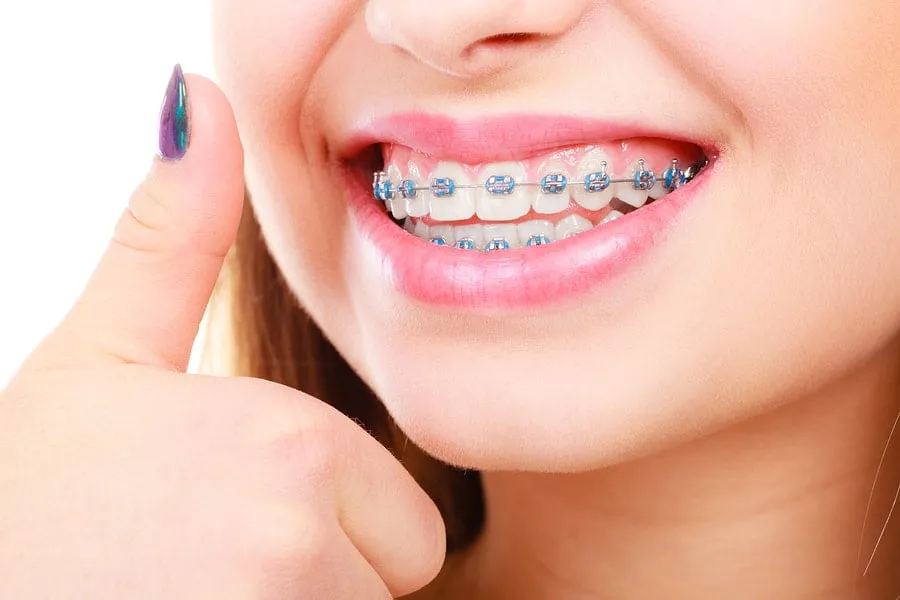
Metal brackets bonded to each tooth, joined by a wire that is adjusted every few weeks.

The wire does the work; the brackets simply give it something to pull against.

Is it right for you?

Best for complex bites

Bites that need real rotation, extraction space closed, or teeth moved in more than one direction at once. Also the option when a patient would not wear aligners for 22 hours a day, which many younger patients find hard.

Your orthodontist will help you choose at the consultation.

Five steps

From first records to your retainer

  1. Records

    A digital scan and photographs. No impression trays.

  2. Plan

    Your orthodontist walks you through the movement and the cost, in writing.

  3. Fitting

    Around an hour. Nothing about it hurts; the ache starts the next day and fades.

  4. Adjustments

    Every four to eight weeks, usually twenty minutes.

  5. Retention

    The day the braces come off, retention starts. It is not optional.

Orthodontic specialists

Meet your orthodontists

Both are orthodontic specialists: dental school first, then a university residency spent only on moving teeth and correcting bites.

Dr. Kate Lew, DMD

Braces, clear braces and Invisalign for teens and adults, and the Phase I evaluations that decide whether a child should start now or wait.

  • DMD, Rutgers School of Dental Medicine, graduated at the top of her class
  • Orthodontic residency, Columbia University College of Dental Medicine
  • Bachelor of Science, Cornell University

Read full profile

Dr. Scott Noh, DDS, MS

Comprehensive orthodontic treatment for teens and adults: braces, Invisalign and the retainers that keep a finished smile in place.

  • MS in Orthodontics and three-year orthodontic residency, Columbia University
  • DDS, Columbia University College of Dental Medicine
  • BS in Biochemistry, University of California, Los Angeles
Read full profile

Your consultation

A scan, your options explained side by side, and the cost in writing, in one visit.

Office hours
Mon9:00 - 5:00
Tue - Thu9:30 - 5:30
Fri9:00 - 4:00
Sat8:30 - 1:30 (select)
SunClosed
Book an Orthodontic Consultation

Cost and coverage

Cost, insurance and financing

The fee, your insurance benefit and the payment plan are explained at the consultation, before you start.

Is the consultation free?

Yes. Orthodontic consultations at Elite are complimentary: the orthodontist examines the teeth and bite and explains the options.

What will it cost?

It depends on the bite, the type of treatment and how long it takes. You get a customized quote at the consultation, before you decide.

Will insurance help?

Many dental plans include an orthodontic benefit. We verify your benefits and file the claims on your behalf.

Can I pay monthly?

Yes. Interest-free in-house payment plans, CareCredit for longer terms (subject to credit approval), and HSA or FSA funds.

Nine common questions

What people ask

What can traditional braces treat?

Braces gradually move the teeth and improve how they meet. They are used for:

  • Crowded teeth: not enough space, so teeth overlap, rotate or grow out of position
  • Spacing and gaps: from tooth size, missing teeth or how the jaws developed
  • Overbite: the upper front teeth overlap the lower ones more than they should
  • Underbite: the lower front teeth sit in front of the upper teeth, sometimes treated with braces and another appliance together
  • Open bite: some upper and lower teeth do not meet when the mouth is closed
What types of braces are there?

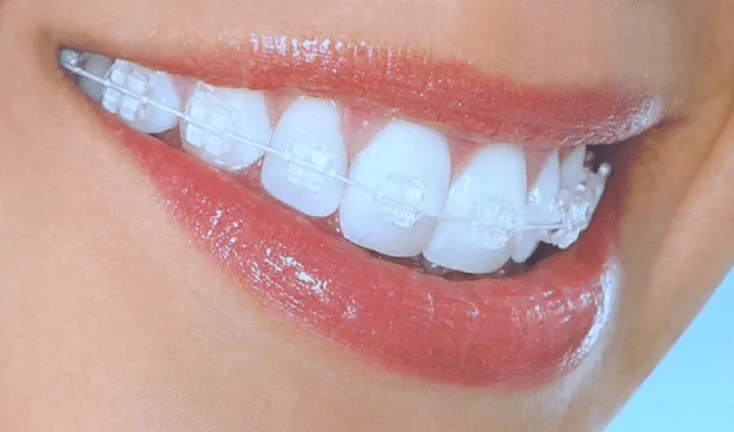
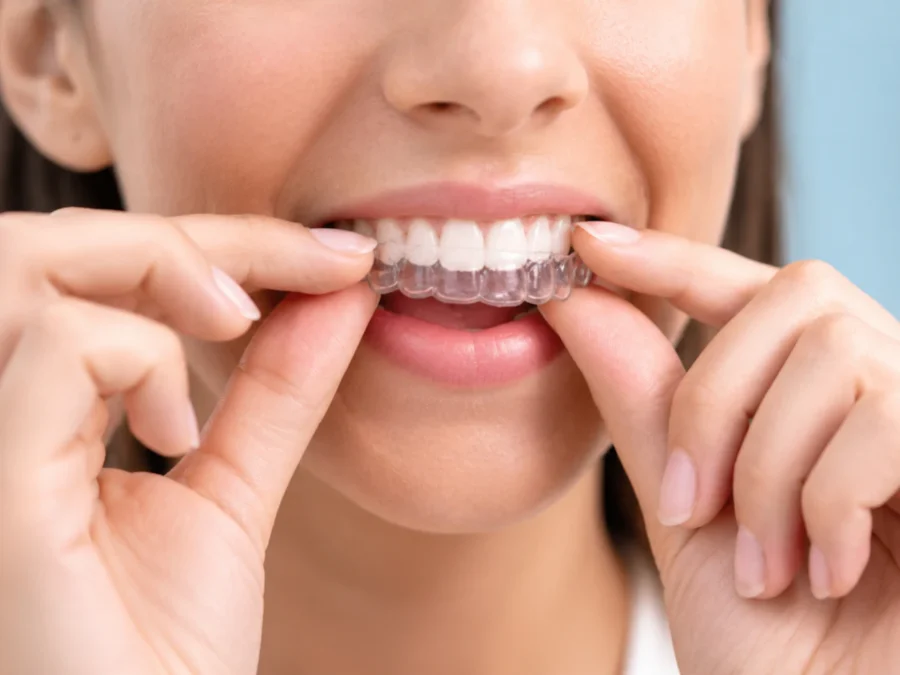
Metal braces, ceramic (clear) braces and self-ligating braces. For more complex cases, braces give precise, effective results. For mild to moderate alignment problems, Invisalign clear aligners are a discreet alternative for teens and adults.

What is the best age to get braces?

There is no single best age. Treatment often starts in childhood or the teenage years, once many of the permanent teeth are through, but the right time depends on how the teeth and jaws are developing. An orthodontic evaluation tells you when treatment should begin.

Do braces hurt?

The fitting does not. The ache starts the following day, lasts a few days, and returns briefly after each adjustment. Ordinary painkillers handle it.

How often are braces adjusted?

Regularly, so your orthodontist can check progress and adjust the braces when needed. How often depends on your treatment plan and how your teeth are responding.

What foods should you avoid with braces?

Hard, sticky and chewy foods that can damage brackets or wires, such as hard candy, caramel, popcorn and ice. Your orthodontist will give you specific instructions for eating safely during treatment.

How do you clean your teeth with braces?

Brush thoroughly around each bracket and along the gumline, and clean between your teeth every day with floss threaders, orthodontic flossers, interdental brushes or whatever your dental team recommends. Food and plaque collect around brackets and wires, so good hygiene matters even more during treatment.

Are traditional braces better than clear braces?

Neither is best for every patient. Metal braces are durable and treat a wide range of problems; clear ceramic braces use less noticeable brackets that blend in with the teeth. Your orthodontist will recommend one based on your treatment needs, lifestyle and preferences.

How much do braces cost in New Jersey?

Braces in New Jersey typically cost between $3,000 and $7,500, depending on how complex the case is and the type of treatment: metal braces, ceramic braces or Invisalign, the length of treatment and your insurance coverage. After evaluating your teeth and bite, your orthodontist gives you a personalized plan and an estimate, and the team reviews your insurance benefits and payment options before you begin.