










On this page
- How to Brush With Braces Properly Throughout Orthodontic Treatment?
- How to Brush With Braces: A Complete Orthodontist-Approved Guide
- Why Learning How to Brush With Braces Matters
- Step-by-Step Guide on How to Brush With Braces
- Best Tools for Oral Hygiene With Braces
- Common Mistakes When Brushing With Braces
- How to Prevent Cavities With Braces
- Special Tips for Kids and Teens
- When to Contact Your Orthodontist
- Achieve a Healthy Smile Throughout Orthodontic Treatment
- Schedule Your Appointment Today
- Frequently Asked Questions
How to Brush With Braces Properly Throughout Orthodontic Treatment?
Following the correct brushing routine helps remove plaque, prevent cavities, and maintain healthy teeth and gums throughout orthodontic treatment.
Braces are an excellent way to achieve a healthier, straighter smile, but they also require extra attention when it comes to daily oral care. Knowing how to brush with braces properly is essential for removing plaque, preventing cavities, and keeping your gums healthy throughout orthodontic treatment. At Elite Orthodontics & Pediatric Dentistry in Wayne, NJ, we educate patients and families on the best practices for oral hygiene with braces so they can protect their smiles while achieving outstanding treatment results. In this orthodontist-approved guide, you’ll learn effective brushing techniques, recommended tools, and practical braces cleaning tips to keep your teeth and braces clean every day.
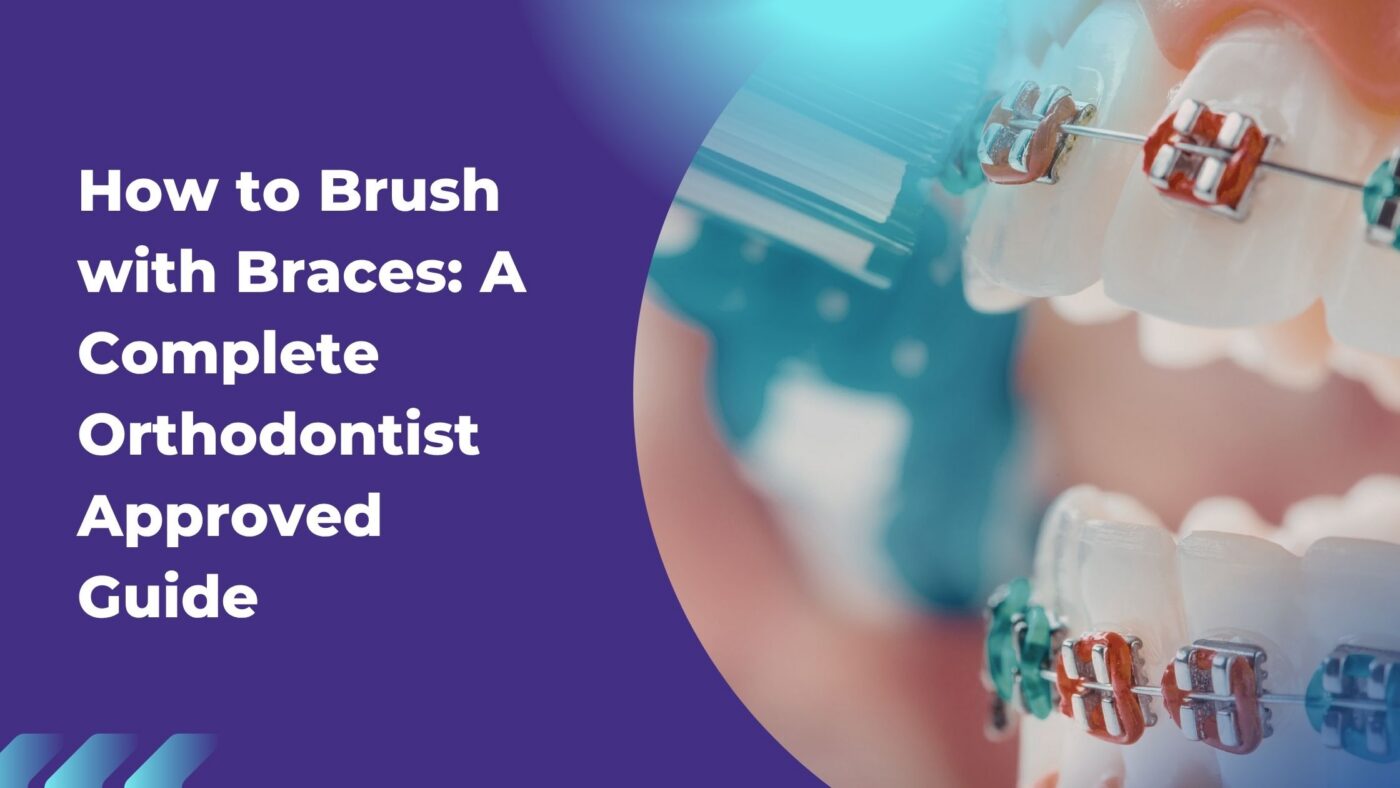
How to Brush With Braces: A Complete Orthodontist-Approved Guide
If you’ve recently started orthodontic treatment, one of the first questions you may have is how to brush with braces effectively. Braces create additional surfaces where food particles and plaque can accumulate, making daily oral care more important than ever.
Understanding how to brush with braces properly can help prevent cavities, gum inflammation, bad breath, and staining around brackets. With the right routine and tools, maintaining a healthy smile during treatment is completely achievable.
Why Learning How to Brush With Braces Matters
Braces work by gradually moving your teeth into their ideal positions. However, brackets and wires can trap food debris, making cleaning teeth with braces more challenging than brushing without orthodontic appliances.
When plaque remains on teeth for extended periods, it can lead to:
- Tooth decay
- Gum disease
- White spot lesions
- Bad breath
- Prolonged orthodontic treatment
Developing strong habits for oral hygiene with braces helps protect your smile while ensuring your orthodontic treatment stays on track.
Step-by-Step Guide on How to Brush With Braces
Step 1: Rinse Your Mouth First
Before brushing, rinse thoroughly with water to loosen food particles trapped around brackets and wires.
This simple step makes cleaning teeth with braces easier and helps remove larger debris before brushing begins.
Step 2: Choose the Right Toothbrush
One of the most important braces cleaning tips is selecting an appropriate toothbrush.
You can use:
- Soft-bristled manual toothbrush
- Orthodontic toothbrush
- Electric toothbrush for braces
Many orthodontists recommend an electric toothbrush for braces because it can provide more consistent plaque removal around brackets and along the gumline.
Step 3: Brush Above the Brackets
Hold your toothbrush at a 45-degree angle toward the gumline.
Using gentle circular motions:
- Clean the area between your gums and brackets
- Brush each tooth individually
- Spend several seconds on each section
This area often collects plaque and requires extra attention during oral hygiene with braces.
Step 4: Brush Below the Brackets
Next, angle the brush downward toward the brackets.
Carefully clean:
- The lower portion of each bracket
- Tooth surfaces below the wire
- Areas where food commonly becomes trapped
Following this technique consistently is essential when learning how to brush with braces effectively.
Step 5: Brush Chewing Surfaces and Inner Teeth
Don’t forget the surfaces not covered by braces.
Brush:
- Chewing surfaces
- Inside surfaces facing the tongue
- Back molars
Complete coverage ensures thorough cleaning teeth with braces and reduces the risk of cavities.
Step 6: Brush for Two Full Minutes
Many patients rush through brushing.
Orthodontists typically recommend:
- At least two minutes per brushing session
- Brushing after every meal when possible
- Brushing before bedtime without exception
Consistency is key when practicing how to brush with braces correctly.
Best Tools for Oral Hygiene With Braces
Having the right tools can make a significant difference in your daily routine.
Interdental Brushes
Interdental brushes are small brushes designed to clean between brackets and wires.
Benefits include:
- Removing trapped food particles
- Reaching difficult areas
- Improving plaque removal
Many orthodontists consider interdental brushes an essential part of daily oral hygiene with braces.
Floss Threaders and Orthodontic Floss
Regular flossing becomes more challenging with braces.
Tools that help include:
- Floss threaders
- Orthodontic floss
- Water flossers
Consistent flossing with braces helps remove plaque from areas a toothbrush cannot reach.
Electric Toothbrush for Braces
An electric toothbrush for braces can help simplify your brushing routine.
Advantages include:
- Consistent brushing motion
- Better plaque removal
- Improved access around brackets
- Easier use for younger patients
For many families, investing in an electric toothbrush for braces can improve compliance and oral health outcomes.
Common Mistakes When Brushing With Braces
Even patients who brush regularly sometimes make mistakes.
Avoid these common errors:
Brushing Too Quickly
Rushing through brushing often leaves plaque behind.
Take your time and carefully clean every tooth.
Skipping Flossing
Many patients avoid flossing with braces because it feels difficult.
However, flossing remains essential for maintaining healthy gums and preventing plaque buildup.
Using a Hard-Bristled Toothbrush
Hard bristles can irritate gums and damage orthodontic appliances.
Always choose a soft-bristled toothbrush or an electric toothbrush for braces with soft brush heads.
Ignoring Difficult Areas
Food frequently accumulates:
- Near gumlines
- Around brackets
- Behind molars
Using interdental brushes can help target these problem areas.
How to Prevent Cavities With Braces
One of the biggest goals during treatment is preventing cavities with braces.
Here are some proven strategies:
Brush After Meals
Whenever possible, brush after eating to reduce plaque buildup.
Limit Sugary Foods
Sticky and sugary foods can increase cavity risk significantly.
Use Fluoride Toothpaste
Fluoride strengthens enamel and prevents cavities with braces.
Attend Regular Dental Checkups
Routine cleanings allow your dentist to identify concerns early and support excellent oral hygiene with braces.
Maintaining healthy teeth during orthodontic treatment involves more than simply learning how to brush with braces. Following proper care instructions for your brackets and wires can help prevent damage and keep your treatment progressing smoothly. Learn more in our guide on Taking Care of Your Braces.
Special Tips for Kids and Teens
Children and teens often need additional guidance when learning how to brush with braces.
Parents can help by:
- Supervising brushing
- Encouraging daily flossing
- Providing orthodontic-friendly tools
- Scheduling regular dental visits
Creating consistent routines helps young patients develop lifelong oral health habits.
When to Contact Your Orthodontist
Contact your orthodontist if you notice:
- Persistent bleeding gums
- Swelling
- Loose brackets
- Broken wires
- Difficulty cleaning around appliances
Professional guidance can help ensure your braces remain effective and your oral health stays on track.
Achieve a Healthy Smile Throughout Orthodontic Treatment
Learning how to brush with braces is one of the most important parts of successful orthodontic care. By following proper brushing techniques, using interdental brushes, maintaining consistent flossing with braces, and considering an electric toothbrush for braces, you can protect your teeth and gums throughout treatment.
At Elite Orthodontics and Pediatric Dentistry in Wayne, NJ, we’re committed to helping patients maintain excellent oral hygiene with braces and achieve healthy, confident smiles. If you have questions about braces care or orthodontic treatment, our experienced team is here to help.
Your oral care routine remains important even after your braces are removed. Retainers help preserve your newly aligned smile, and keeping them clean is essential for long-term oral health. For helpful maintenance tips, read our blog: 7 Easy Retainer Cleaning Hacks Every Parent Should Know.
Schedule Your Appointment Today
Looking for expert orthodontic care in Wayne, NJ? Contact Elite Orthodontics and Pediatric Dentistry today to schedule a consultation and learn more about maintaining a healthy smile during braces treatment.
Frequently Asked Questions
How often should I brush my teeth with braces?
You should brush at least twice daily and ideally after every meal to maintain proper oral hygiene with braces.
What is the best toothbrush for braces?
Many orthodontists recommend an electric toothbrush for braces because it helps remove plaque more effectively around brackets.
Are interdental brushes necessary with braces?
Yes. Interdental brushes help clean hard-to-reach areas between wires and brackets.
4. How do I floss with braces?
Using floss threaders, orthodontic floss, or water flossers can make flossing with braces much easier.
5. Can braces cause cavities?
Braces themselves do not cause cavities, but inadequate cleaning can increase cavity risk. Proper brushing is critical for preventing cavities with braces.
6. How long should I brush with braces?
Spend at least two full minutes brushing every time.
7. Should I use mouthwash while wearing braces?
Yes. An alcohol-free fluoride mouthwash can support oral hygiene with braces and help strengthen enamel.
8. Can I use a water flosser with braces?
Absolutely. Water flossers can be an effective supplement to traditional flossing with braces.
9. What foods make cleaning braces harder?
Sticky candies, popcorn, chewing gum, and sugary snacks can increase plaque buildup and complicate cleaning teeth with braces.
10. What happens if I don’t brush properly with braces?
Poor oral hygiene may lead to cavities, gum disease, white spot lesions, and extended treatment times, making preventing cavities with braces especially important.