










On this page
- Why Proper Retainer Cleaning Matters
- Hack #1: Vinegar Soak for a Deep Clean
- Hack #2: Baking Soda to Neutralize Odors
- Hack #3: Overnight Soak with Antibacterial Rinse
- Hack #4: Fast Refresh Between Wears
- Hack #5: Choose the Right Retainer Case and Care Routine
- Hack #6: Avoid Common Cleaning Mistakes
- Hack #7: Mold Prevention and Clear Aligner Care
- Sample Weekly Cleaning Schedule
- When to Replace the Retainer
- Final Thoughts
- FAQ
Top retainer cleaning hacks include using a vinegar soak for deep cleaning, baking soda for odor removal, overnight antibacterial rinses, and a proper travel kit for on-the-go care. Avoid common mistakes like hot water and harsh chemicals to keep retainers clear and functional.
At Elite Orthodontics & Pediatric Dentistry in Wayne, New Jersey, we understand that taking care of your child’s retainer is just as important as wearing it. Here are seven simple retainer cleaning hacks every parent can use to protect their child’s appliance and encourage healthy daily habits.
Why Proper Retainer Cleaning Matters
Before diving into the hacks, let’s look at why consistent cleaning is important.
- Prevents bacteria and mold buildup. Retainers sit in a moist environment where food particles and saliva can lead to bacterial growth. Without regular cleaning, this buildup may cause bad breath, discomfort, or even infections.
- Maintains clarity and structure. Patients using Invisalign clear aligners in Wayne, NJ can help keep their appliances clear and fresh by following a consistent cleaning routine. Stains or cloudiness reduce their appearance, and improper cleaning can lead to warping.
- Extends lifespan. A retainer that’s cared for properly lasts longer, reducing replacement costs and keeping treatment on track.
Hack #1: Vinegar Soak for a Deep Clean
A vinegar soak is an effective way to remove bacteria and mineral deposits.
How to do it:
- Mix equal parts white vinegar and lukewarm water in a container.
- Soak the retainer for 15–30 minutes.
- Gently scrub with a soft toothbrush (not the one used for teeth).
- Rinse thoroughly with water.
Why it works:
Vinegar contains acetic acid, which breaks down buildup and reduces bacterial growth. Use it occasionally, as frequent acid exposure may weaken clear aligners or delicate plastics.
Hack #2: Baking Soda to Neutralize Odors
Baking soda is safe, inexpensive, and excellent for freshening retainers.
Steps:
- Sprinkle baking soda on the retainer or dissolve in a small cup of water.
- Use a soft brush to scrub gently.
- Let sit for 5–10 minutes.
- Rinse thoroughly to remove residue.
Benefits and precautions:
Baking soda neutralizes acids, removes mild stains, and is safe if used gently. Avoid vigorous scrubbing, which can scratch the surface.
Hack #3: Overnight Soak with Antibacterial Rinse
Longer soaks keep retainers fresh without interfering with daily wear.
Choosing a rinse:
Select a non-alcoholic, dentist-approved antibacterial rinse safe for acrylic or plastic. Strong alcohol or artificial colors may damage retainers or cause discoloration.
How to soak:
- Brush off food or debris first.
- Place the retainer in a dish filled with rinse.
- Cover and leave overnight.
- Rinse thoroughly in the morning before wearing.
Hack #4: Fast Refresh Between Wears
Sometimes a quick clean is needed, especially at school or before activities.
Travel cleaning kit essentials:
- Small bottle of antibacterial rinse or retainer cleanser tablet
- Soft travel toothbrush
- Retainer case
- Small pouch for soaking or rinsing discreetly
Quick refresh steps:
- Rinse the retainer under lukewarm water.
- Brush lightly with mild, unscented soap or a retainer-safe gel.
- Store in the case until ready to use again.
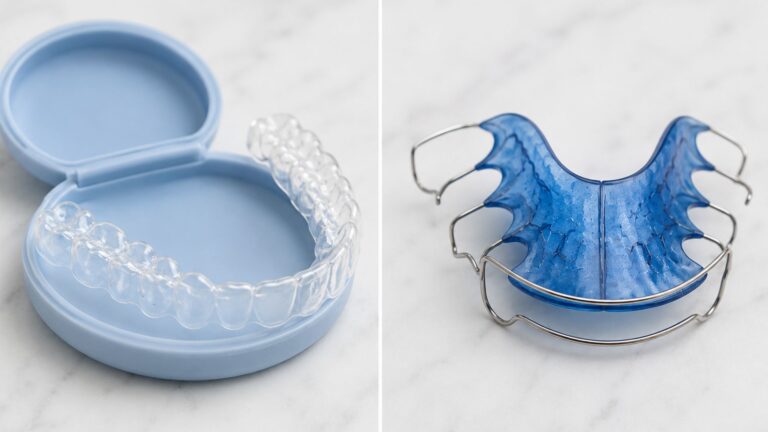
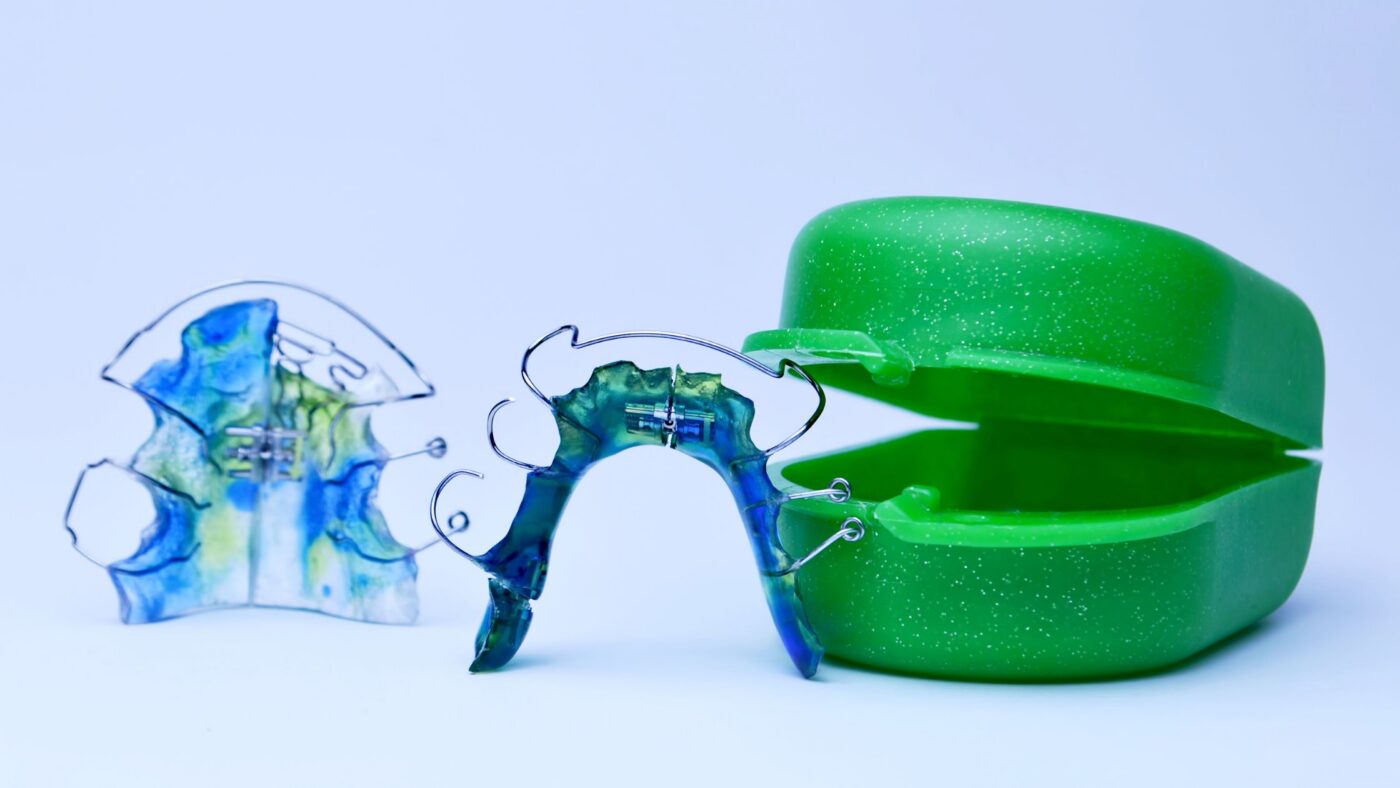
Hack #5: Choose the Right Retainer Case and Care Routine
Storage matters as much as cleaning.
Good case features:
- Hard shell to prevent damage
- Ventilation holes for airflow
- Secure closure to avoid loss
- Easy-to-clean material
Case cleaning routine:
- Wash daily with warm water and mild soap.
- Once or twice weekly, soak in vinegar or a diluted bleach solution (if allowed by manufacturer).
- Dry completely before placing the retainer inside.
Hack #6: Avoid Common Cleaning Mistakes
Missteps in cleaning can damage retainers or shorten their lifespan.
Mistakes to avoid:
- Using boiling or hot water, which warps plastic.
- Brushing with whitening or abrasive toothpaste, which scratches surfaces.
- Cleaning with bleach or strong chemicals unless your orthodontist confirms they are safe.
- Storing retainers in damp places like tissues or pockets, which promotes mold.
Hack #7: Mold Prevention and Clear Aligner Care
Clear aligners share many of the same care needs as retainers.
Mold prevention tips:
- Rinse after eating to remove food particles.
- Dry thoroughly before storing in a case.
- Use regular deep cleans like vinegar soaks or antibacterial rinses.
Aligner-specific care:
- Follow the same cleaning methods as retainers.
- Avoid colored or strongly scented mouthwashes, which can stain plastics.
- Stick to your orthodontist’s instructions for wear and cleaning.
Sample Weekly Cleaning Schedule
A routine makes cleaning easier. Here’s a simple plan to follow:
| Day | Quick Daily Clean | Deep Clean / Soak | Case Care |
| Monday | Rinse + mild brush | Wash case if dirty | |
| Tuesday | Rinse + brush | Vinegar soak | Dry case |
| Wednesday | Rinse | Overnight antibacterial soak | Inspect for cracks or mold |
| Thursday | Rinse + brush | Baking soda scrub | Clean case vents |
| Friday | Rinse | Deep clean with vinegar or cleanser | Dry case overnight |
| Saturday | Rinse + brush | Use travel kit if away | Full case wash |
| Sunday | Light rinse only | Rest day for deep soak | Air-dry case |
When to Replace the Retainer
Even with good care, retainers don’t last forever. Watch for:
- Persistent odor or mold that remains after cleaning
- Cracks, warping, or broken parts
- Stains or cloudiness that won’t go away
- Discomfort or poor fit
If you notice any of these signs, schedule an appointment at Elite Orthodontics & Pediatric Dentistry in Wayne, NJ. We can check the fit and determine if a replacement is needed.
Retainers are commonly used after orthodontic treatment to help maintain the new position of the teeth. Families considering treatment can learn more about traditional braces in Wayne, NJ and the orthodontic concerns they may help address.
If your child’s retainer has been lost, damaged, or hasn’t been worn consistently, it’s important to have it evaluated before trying to wear it again. Read our guide, I Stopped Wearing My Retainer: Now What?, to learn what to expect and when to schedule an orthodontic appointment.
Final Thoughts
Caring for a retainer is part of maintaining oral health. With these easy cleaning hacks, you can:
- Prevent bacteria and mold buildup
- Keep retainers clear, fresh, and comfortable
- Extend retainer life and reduce replacement costs
Parents play an important role in teaching these habits. Consistency builds responsibility, and small routines now can make a big difference later.
At Elite Orthodontics & Pediatric Dentistry, we’re here to support your family’s smile journey. For questions about retainer or aligner care, call our Wayne, NJ office at 973-706-8339 or book an appointment today.
FAQ
How often should my child clean their retainer?
Daily light cleaning is recommended, with a deep clean 2–3 times per week to prevent buildup and odor.
Is vinegar safe for cleaning retainers?
Yes, a diluted vinegar solution can safely remove bacteria and mineral buildup. Just don’t soak too frequently to avoid weakening the plastic.
Can I use toothpaste to clean a retainer?
No. Whitening or abrasive toothpaste can scratch and damage the retainer. Use mild soap or baking soda instead.
What’s the best way to clean a retainer case?
Wash the case daily with warm water and mild soap. Weekly, soak it in a vinegar or gentle disinfectant solution and air-dry completely.
What are signs a retainer needs replacing?
Watch for cracks, persistent odor, discoloration, or if it no longer fits properly; these indicate it’s time to visit your orthodontist.
Can retainers grow mold?
Yes. If not cleaned and dried properly, mold can form. Rinse after every wear and store in a clean, ventilated case.
What should be in a travel retainer cleaning kit?
Include a mini toothbrush, antibacterial rinse or cleaner tablets, a clean case, and mild soap for quick refreshes on the go.