









On this page
- Why Is It So Important to Wear Retainers?
- What Happens When You Stop Wearing Your Retainer?
- Types of Retainers (and Why Adults Stop Wearing Them)
- Is Retainer Pain a Sign of Trouble?
- Can Teeth Shift Years After Braces?
- Do I Need Re-Treatment If I’ve Stopped Wearing My Retainer?
- Adult Orthodontic Advice: What Should You Do Next?
- Next Steps to Protect Your Smile
- Take Action Now Before Shifting Gets Worse
- FAQs
Short answer: You’re not alone, and it’s usually fixable.
It usually doesn’t happen all at once.
Maybe you wore your retainer faithfully at first, every night, right on the nightstand. Then life picked up. A late night at work. A weekend trip where you forgot it. One night off turned into a week, then a month. The retainer went into its case, the case into a drawer, and eventually… out of mind.
Years later, you’re brushing your teeth one morning and something feels off. A front tooth looks slightly out of place. Your bite doesn’t line up the way it used to. You remember the retainer and think, I should probably start wearing that again. When you try, it feels tight, or doesn’t fit at all.
If this sounds familiar, you’re in very good company. Many adults who once had braces or Invisalign experience the same thing, especially during busy seasons of life like college, career changes, parenting, or major life transitions.
If you’ve stopped wearing your retainer as an adult, you may already be noticing subtle (or not-so-subtle) changes in your smile. Gaps can reappear, teeth may feel tight, and your bite might not feel the same. For many adults, life simply gets busy, and wearing a retainer falls off the priority list.
The good news? If you’ve stopped wearing your retainer as an adult, there are clear, effective next steps you can take to protect your smile and avoid long-term dental relapse. Let’s break down what’s happening, why retainers matter, and what to do next.
Why Is It So Important to Wear Retainers?
After orthodontic treatment, your teeth are not permanently locked in place. They’re held by ligaments and bone that take time, sometimes years, to fully stabilize.
Here’s why retainers are essential:
- Prevent dental relapse: Teeth naturally want to shift back toward their original positions
- Protect your investment: Braces or Invisalign are a financial and time commitment
- Maintain bite alignment: Shifting teeth can affect chewing and jaw comfort
- Support long-term oral health: Crowded teeth are harder to clean, increasing cavity risk
Many adults assume that once braces are off, the work is done. In reality, retention is a lifelong phase of orthodontic care.
What Happens When You Stop Wearing Your Retainer?
If you’ve stopped wearing your retainer, the changes may happen gradually or surprisingly fast.
Common signs of retainer relapse include:
- Teeth feeling tight when you try the retainer again
- Visible crowding or spacing
- Changes in how your teeth fit together
- Discomfort or pressure
This process is known as dental relapse, and it’s one of the most common issues orthodontists see in adults years after treatment.
Types of Retainers (and Why Adults Stop Wearing Them)
Understanding your retainer type helps explain why consistency matters.
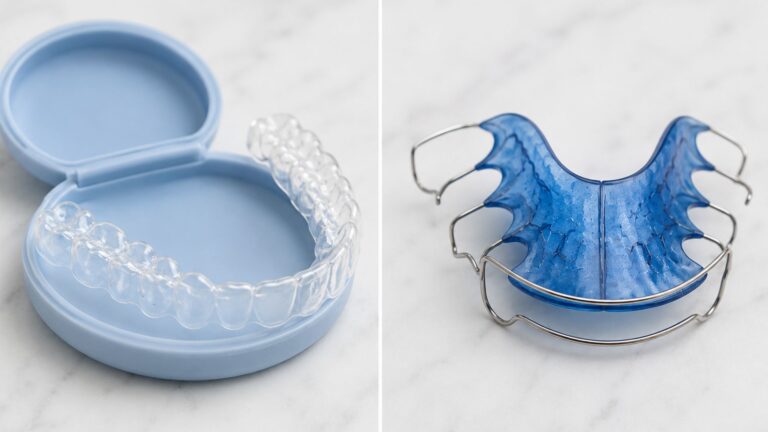
1. Clear Removable Retainers
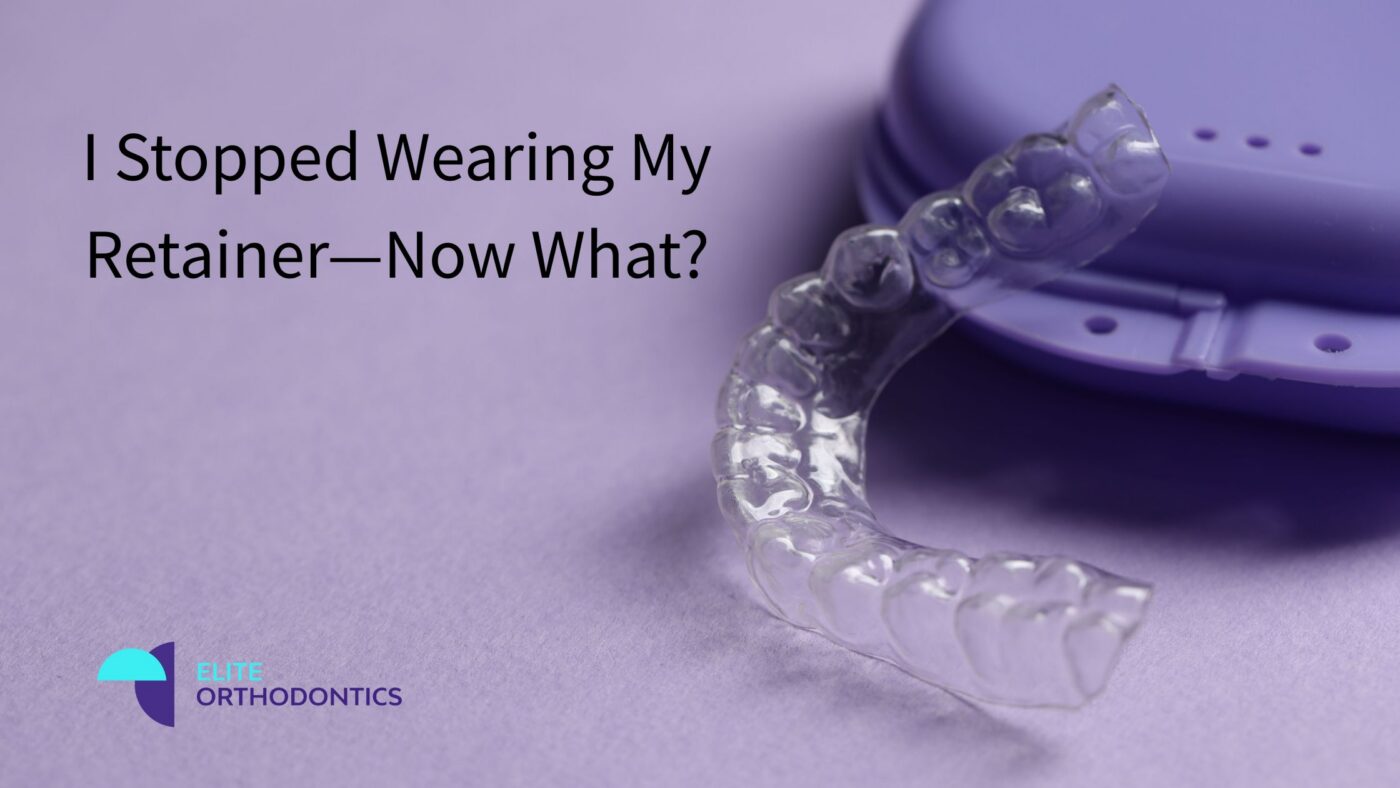
- Look similar to Invisalign
- Discreet but easy to forget
- Can feel tight after lapses
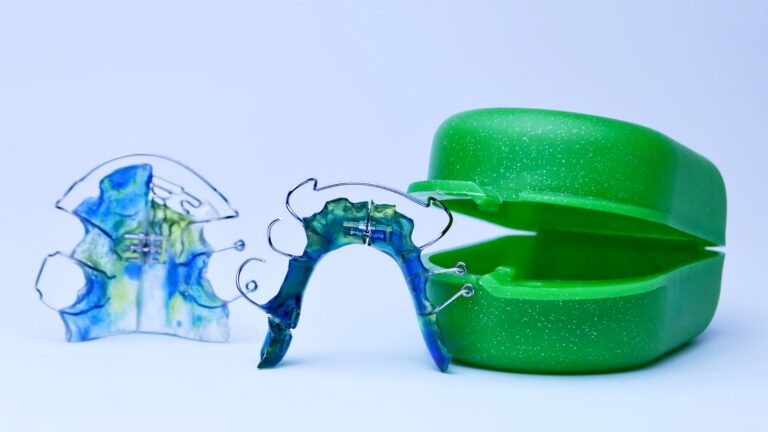
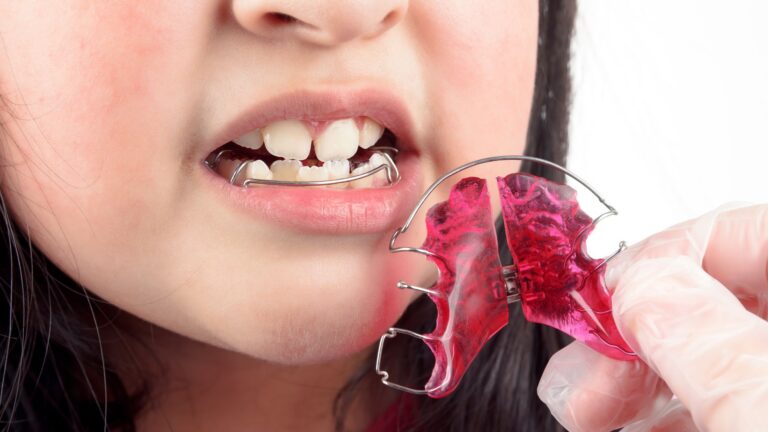
2. Hawley Retainers
- Acrylic and wire design
- Durable, adjustable
- More noticeable, leading some adults to stop wearing them
3. Permanent (Bonded) Retainers
- Fixed behind the teeth
- Great for long-term stability
- Still require monitoring, breakage can lead to shifting
Adults often stop wearing retainers due to discomfort, lifestyle changes, or assuming they’re no longer needed.
Is Retainer Pain a Sign of Trouble?
Mild discomfort when restarting a retainer is common. However, retainer pain can indicate that teeth have already shifted.
If your retainer:
- Doesn’t fit fully
- Causes sharp pain
- Won’t seat at all
…it’s time for a professional evaluation. Forcing a retainer can damage teeth or gums.
Can Teeth Shift Years After Braces?
Yes, especially in adulthood. Aging, grinding, wisdom teeth, and jaw changes all contribute to shifting teeth over time.
Even patients who were diligent for years may experience movement later in life. This is why many orthodontists recommend nighttime retainer wear indefinitely.
Do I Need Re-Treatment If I’ve Stopped Wearing My Retainer?
Not always. Treatment depends on how much movement has occurred.
Possible solutions include:
- Retainer restart: If shifting is minimal
- New custom retainer: For better fit and comfort
- Short-term aligners: Minor re-treatment using Invisalign-style trays
Early intervention often prevents the need for full braces again.
Adult Orthodontic Advice: What Should You Do Next?
If you’ve stopped wearing your retainer as an adult, follow these steps:
- Do not force your old retainer
- Schedule an orthodontic evaluation
- Get a professional assessment of relapse
- Discuss retainer restart vs. re-treatment options
Modern orthodontics is far more flexible and discreet than it was years ago, especially for adults.
Next Steps to Protect Your Smile
The longer you wait, the more likely teeth will continue to shift. Early action often means simpler, more affordable solutions.
Whether you need a new retainer, a short aligner series, or guidance on long-term retention, personalized care makes all the difference.
Take Action Now Before Shifting Gets Worse
If you’ve stopped wearing your retainer as an adult, you haven’t failed, and you’re definitely not alone. What matters most is what you do next. Addressing retainer relapse early can save time, money, and discomfort while preserving the smile you worked hard to achieve.
Ready to protect your smile? Call 973-706-8339 or choose your appointment to schedule a consultation and explore your best options for retainer restart or re-treatment.
FAQs
1. Can I start wearing my retainer again after years?
Sometimes. If it fits comfortably, mild shifting may be corrected. If not, see your orthodontist.
2. How long does it take for teeth to shift without a retainer?
Shifting can begin within weeks, but noticeable changes often occur over months or years.
3. Is dental relapse permanent?
Not always. Early intervention can often reverse or minimize relapse.
4. Does everyone experience retainer relapse?
Most people experience some degree of movement without consistent retainer wear.
5. Can Invisalign fix teeth that shifted after braces?
Yes. Invisalign is commonly used for adult re-treatment cases.
6. Why does my retainer hurt when I try it again?
Pain usually means teeth have moved and the retainer no longer fits properly.
7. Are permanent retainers better for adults?
They can be effective but still require monitoring and good oral hygiene.
8. What’s the best retainer for adults?
It depends on lifestyle, bite, and alignment, custom recommendations work best.