










On this page
Most children adjust within a week or two with practice and support.
At Elite Orthodontics and Pediatric Dentistry in Wayne, NJ, we believe maintaining a healthy, confident smile goes beyond braces. Retainers are an important part of the journey but for many families, the transition raises new questions, especially about speech.
One of the most common concerns we hear from parents is whether wearing a retainer affects how clearly a child can speak. The simple answer: it can, but usually just for a short period.
Here’s what to expect and how to help your child feel confident as they adjust.
Why Retainers May Affect Speech Initially
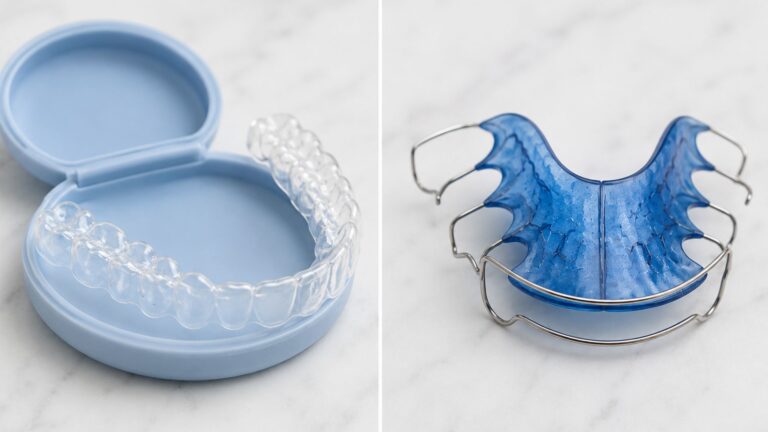
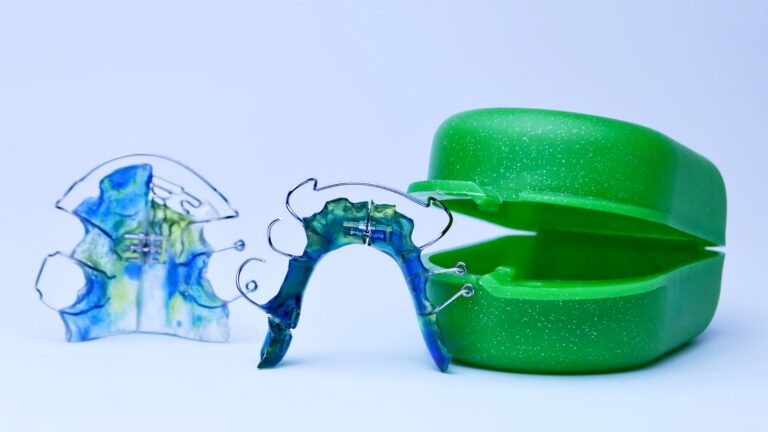
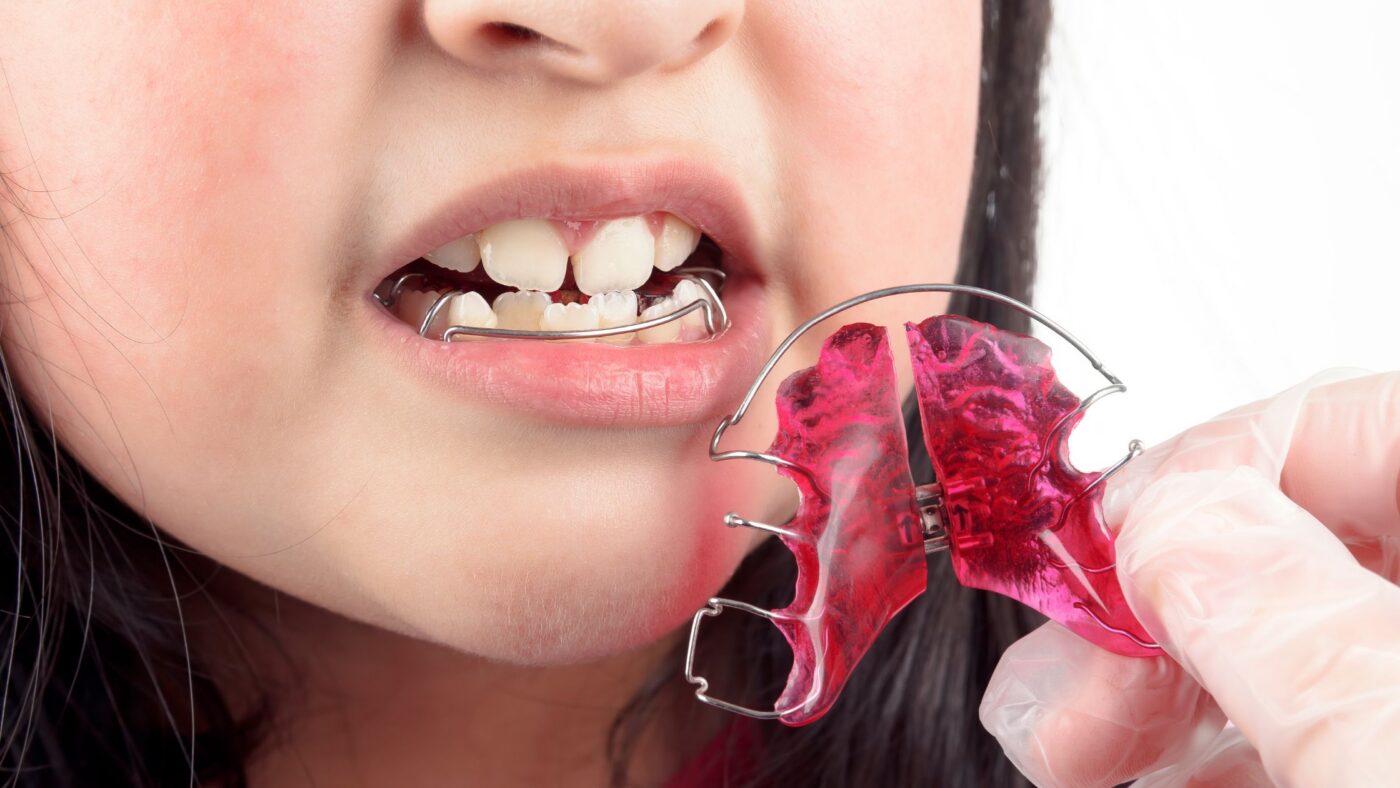
Retainers are designed to keep teeth in their corrected positions after braces or aligner treatment. Depending on the type, whether a clear retainer, Hawley retainer, or bonded wire, the appliance may sit along the back of the teeth or across the roof of the mouth.
This new addition can feel unfamiliar, and in the first few days, may temporarily impact how your child speaks. Some of the most common early experiences include:
- A mild lisp, particularly with sounds like “s” and “z”
- Increased saliva, making it harder to pronounce words clearly
- A sensation of pressure or bulk that feels distracting when talking
- Temporary self-consciousness about sounding different
These changes are a normal part of the adaptation process. Most kids find that these challenges fade quickly once their tongue, lips, and mouth muscles get used to the new appliance.
Understanding Tongue Placement and Speech Adaptation
Speech involves precise coordination between the tongue, lips, teeth, and airflow. When a retainer is introduced, especially one that touches the roof of the mouth; it may interrupt this coordination temporarily. The tongue has to re-learn where to go for certain sounds, particularly ones that involve contact with the palate.
Fortunately, kids are remarkably adaptable. Within a week or two, most children adjust their tongue placement naturally and begin to speak clearly with the retainer in place.
Supporting Clear Speech at Home
There are several ways parents can support speech adaptation during this period. These small, consistent efforts can help your child feel more confident and in control:
- Read aloud together daily. Ten to fifteen minutes of reading gives your child regular practice and helps re-establish natural speech rhythm.
- Try fun articulation games. Tongue twisters or rhyming phrases can improve clarity and make practice feel less like homework.
- Use a mirror. Seeing how their mouth moves can help kids understand and adjust their tongue placement more easily.
- Reassure and encourage. Let your child know these speech changes are common and temporary. Patience and positive reinforcement go a long way.
If your child is nervous about sounding different at school or in social situations, it may help to remind them how many others go through the same adjustment. Knowing they’re not alone can ease embarrassment and build confidence.
When Speech Therapy Might Be Helpful
Most kids adapt quickly to wearing a retainer. But if speech issues continue beyond two to three weeks, or if your child is becoming anxious about their ability to communicate, it might be time to speak with a professional.
A speech therapist can help address:
- Persistent lisps or unclear pronunciation
- Difficulty adapting tongue placement
- Frustration or emotional discomfort related to speech
In some cases, the retainer itself may be contributing to the problem. At Elite Orthodontics and Pediatric Dentistry, we can evaluate the fit of the appliance and make small adjustments to improve comfort and ease of speaking.
Ensuring Comfort Alongside Function
Speech issues aren’t the only reason a child might avoid wearing their retainer. Discomfort can also lead to reduced usage, which in turn affects not just retention but confidence.
If your child avoids talking, complains about soreness, or refuses to wear the retainer for extended periods, it’s important to schedule a follow-up. A properly fitted retainer should be snug but not painful, and it should not cause ongoing irritation.
At our practice, we carefully monitor each child’s response to their dental appliance and provide personalized support when adjustments are needed. We want every child to feel confident, not just with their smile, but in how they express themselves.
Making the Transition Smooth and Supportive
Wearing a retainer is a milestone in the orthodontic journey. It means treatment was successful, and now it’s time to protect the results. With a little time and support, most children adapt quickly, regaining clear speech, comfort, and daily confidence.
At Elite Orthodontics and Pediatric Dentistry, we’re here for every phase of that process. From the first fitting to follow-up care, we take the time to answer questions, ease concerns, and adjust plans as needed.
If your child is experiencing speech challenges, or if you’re wondering what to expect with a new retainer, our team is happy to help. We welcome families throughout Wayne, NJ and the surrounding area.
Our office is open on weekdays and select Saturdays (see the current hours). Call us today at 973-706-8339 or visit EliteOd.com to schedule a visit.
FAQ
How long does it take for kids to adjust to speaking with a retainer?
Most children adjust to speaking clearly with a retainer in about one to two weeks. During this time, mild speech changes like lisps are common but typically fade with regular use.
What types of retainers are most likely to affect speech?
Removable retainers that sit against the roof of the mouth, like Hawley or clear retainers, are more likely to cause temporary speech changes compared to fixed retainers bonded behind the teeth.
Can speech therapy help with retainer-related issues?
Yes. If speech challenges persist beyond a few weeks or cause frustration, a speech therapist can provide techniques to improve pronunciation and help kids adapt more smoothly.
Should my child wear their retainer during school if it affects speech?
Yes, wearing the retainer as instructed is important for treatment success. Speech usually improves quickly, and consistent wear helps your child adjust faster.
What should I do if my child refuses to wear the retainer?
Check for discomfort and schedule a follow-up with your orthodontist. A retainer should fit comfortably. Encouraging words and gentle practice routines can also improve compliance.