









On this page
- What Kind of Retainer After Invisalign Keeps Your Teeth Straight?
- Why Retainers Matter After Invisalign
- What Kind of Retainer After Invisalign Is Most Common?
- Plastic vs Wire Retainers: Which Is Better?
- How Long Do You Wear Retainers After Invisalign?
- What Are Essix Post-Aligner Retainers?
- How Often Should Retainers Be Replaced?
- How to Care for Clear Retainers
- Can Teeth Shift Even With Retainers?
- Why Digital Scan Retainers Improve Accuracy
- Choosing the Best Retainer for Your Lifestyle
- Protect Your Invisalign Results in Wayne, NJ
- Frequently Asked Questions About Retainers After Invisalign
What Kind of Retainer After Invisalign Keeps Your Teeth Straight?
Most patients wear clear retainers after Invisalign, but the best option depends on your teeth, bite, and long-term orthodontic goals.
Finishing Invisalign is an exciting milestone. After months of aligners, digital scans, and seeing your smile gradually transform, you finally have the straight teeth you worked hard for. However, treatment does not truly end when the final tray comes out. One of the most important parts of maintaining your results is choosing the right retainer.
If you are wondering what kind of retainer after Invisalign is best for your smile, you are not alone. This is one of the most common questions orthodontic patients ask after completing aligner therapy. Retainers are essential because teeth naturally want to move back toward their original positions over time. Without proper retention, even beautifully aligned teeth can begin to shift.
At Elite Orthodontics and Pediatric Dentistry in Wayne, NJ, we help patients throughout Passaic County maintain healthy, confident smiles long after Invisalign treatment ends. Understanding your retainer options can help you protect your results for years to come.
Why Retainers Matter After Invisalign
Many patients assume that once Invisalign treatment is complete, their teeth will permanently stay in place. Unfortunately, teeth are always capable of movement. The bone and ligaments around your teeth need time to stabilize after orthodontic treatment.
Orthodontists often recommend a retention phase immediately after Invisalign. Wearing a retainer consistently helps hold your teeth in their corrected positions while the surrounding tissues adapt.
Without retainers, patients may experience:
- Minor tooth shifting
- Crowding returning
- Gaps reopening
- Bite alignment changes
- Need for future orthodontic retreatment
For more information on long-term orthodontic stability, read our related guide.
What Kind of Retainer After Invisalign Is Most Common?
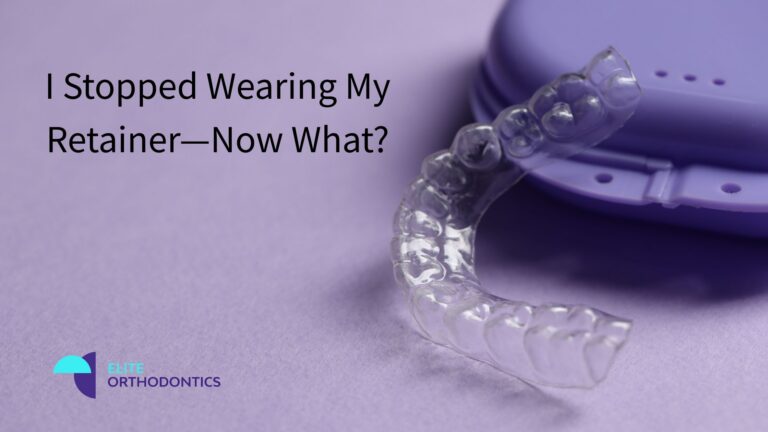
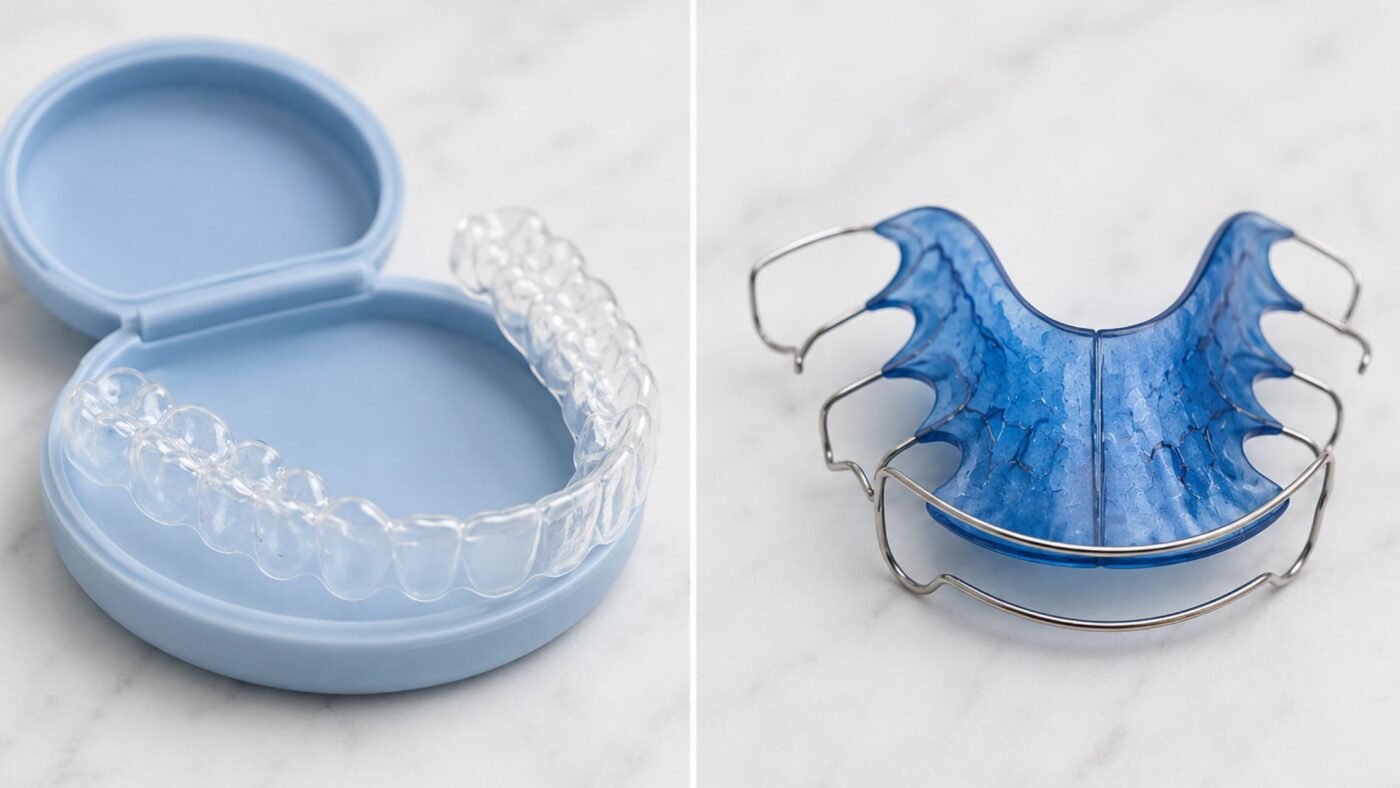
When patients ask what kind of retainer after Invisalign is recommended, the most common answer is a clear removable retainer. These retainers closely resemble Invisalign trays but are designed specifically for long-term retention rather than active tooth movement.
The two most common options include:
Clear Plastic Retainers
Clear retainers, often called Essix retainers or molded trays, are the most popular choice after Invisalign.
Benefits of clear plastic retainers include:
- Nearly invisible appearance
- Comfortable fit
- Custom-made using digital scan retainers
- Easy nighttime wear
- Maintains cosmetic appearance
- Fits seamlessly into daily routines
Because these clear retainers resemble Invisalign aligners, most patients adapt quickly to wearing them.
Fixed Wire Retainers
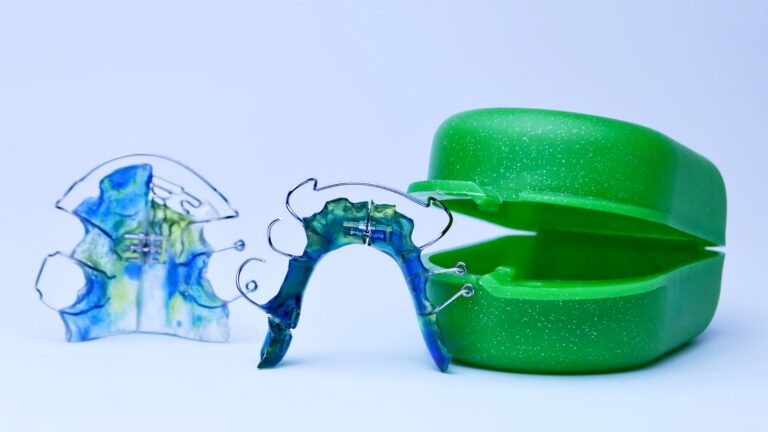
Some patients benefit from permanent or bonded wire retainers. These thin wires are attached behind the front teeth to help maintain alignment.
Wire retainers are commonly recommended for:
- Patients with severe crowding before treatment
- Teeth prone to shifting
- Lower front teeth stabilization
- Patients concerned about forgetting removable retainers
Although bonded retainers are hidden behind the teeth, they do require careful flossing and hygiene maintenance.
Plastic vs Wire Retainers: Which Is Better?
One of the biggest questions patients ask when deciding what kind of retainer after Invisalign they need is whether plastic vs wire retainers are better.
The truth is that both options have advantages.
| Feature | Clear Plastic Retainers | Wire Retainers |
| Appearance | Nearly invisible | Hidden behind teeth |
| Removability | Removable | Fixed in place |
| Cleaning | Easy to clean separately | Requires careful flossing |
| Compliance Needed | Yes | Less patient responsibility |
| Durability | May need replacement over time | Can detach occasionally |
| Comfort | Smooth and comfortable | Slight adjustment period |
For many Invisalign patients, orthodontists recommend a combination approach. A bonded wire retainer may stabilize the lower front teeth, while clear retainers are worn at night over both arches.
How Long Do You Wear Retainers After Invisalign?
The short answer is simple: retainers are typically a lifelong commitment.
Immediately After Invisalign
Most orthodontists recommend full-time retainer wear for the first few months after Invisalign treatment. This means wearing retainers around 20 to 22 hours daily except while eating or brushing.
Long-Term Nighttime Wear
After the stabilization period, most patients transition to nighttime wear only.
Consistent nighttime wear is critical because teeth can continue shifting throughout adulthood. Even small lapses in retainer use may cause noticeable movement.
Patients who stop wearing retainers entirely often discover their trays no longer fit after only a few weeks or months.
What Are Essix Post-Aligner Retainers?
Essix post-aligner retainers are thin, clear plastic retainers custom-made to fit your smile after Invisalign.
These retainers are especially popular because they:
- Preserve the cosmetic appearance of your smile
- Feel similar to Invisalign trays
- Are lightweight and comfortable
- Prevent shifting effectively
- Support long-term invisalign retention
Because they are transparent, Essix retainers are ideal for teens, professionals, and adults who prefer a discreet orthodontic aftercare solution.
Many patients throughout Wayne and Passaic County choose Essix retainers because they fit naturally into their routine.
How Often Should Retainers Be Replaced?
Even high-quality clear retainers eventually wear out.
Patients researching what kind of retainer after Invisalign often do not realize that removable retainers require periodic replacement.
Factors that affect retainer lifespan include:
- Teeth grinding
- Cleaning habits
- Frequency of wear
- Accidental damage
- Heat exposure
Most clear retainers last between 1 and 5 years depending on care and material quality.
Signs you may need replacement retainers include:
- Cracks or warping
- Loose fit
- Cloudiness or discoloration
- Odor buildup
- Changes in tooth position
Routine orthodontic follow-up visits help monitor retainer condition and ensure your teeth position holding remains stable.
How to Care for Clear Retainers
Taking proper care of your retainers helps extend their lifespan and keeps your smile healthy.
Best Practices for Retainer Care
- Clean retainers daily using lukewarm water and gentle soap
- Avoid hot water that may warp plastic trays
- Store retainers in a protective case
- Remove retainers before eating
- Brush and floss before reinserting retainers
What to Avoid
- Do not wrap retainers in napkins
- Do not use toothpaste with abrasive particles
- Do not leave retainers in hot cars
- Do not skip wear for extended periods
Proper maintenance supports both oral hygiene and long-term retention success.
Parents and teens can also explore our helpful retainer cleaning tips.
Can Teeth Shift Even With Retainers?
Retainers are highly effective, but some minor natural movement may still occur over time.
Patients asking what kind of retainer after Invisalign works best should understand that retainers significantly reduce movement but cannot completely stop natural aging changes.
Factors influencing tooth movement include:
- Wisdom teeth pressure
- Grinding or clenching
- Aging changes in bone structure
- Inconsistent retainer use
- Gum disease
Regular orthodontic follow-up appointments help identify small changes before they become larger concerns.
Why Digital Scan Retainers Improve Accuracy
Modern orthodontics has transformed retainer fabrication through digital technology.
Instead of relying solely on traditional impressions, many practices now use digital scan retainers created through advanced 3D imaging systems.
Benefits of digital scanning include:
- Greater precision
- Improved comfort
- Faster turnaround time
- Better fit consistency
- Easy reproduction if retainers are lost
At Elite Orthodontics and Pediatric Dentistry, advanced digital technology allows us to create customized retention solutions for every patient.
Patients who complete Invisalign treatment often benefit from seamless digital records that make replacement retainers and long-term monitoring more efficient. Learn more about our Invisalign treatment options.
Choosing the Best Retainer for Your Lifestyle
There is no universal answer to what kind of retainer after Invisalign every patient should choose. The best retainer depends on several factors, including:
- Age
- Bite complexity
- Previous crowding severity
- Compliance habits
- Cosmetic preferences
- Long-term oral health goals
Some patients prioritize convenience, while others focus on aesthetics or durability.
An experienced orthodontist can evaluate your smile and recommend the most effective retention strategy for your individual needs.
Protect Your Invisalign Results in Wayne, NJ
Completing Invisalign is a major achievement, but maintaining your smile requires ongoing care. Choosing the right retainer and wearing it consistently are essential for preserving your alignment.
Whether you need clear retainers, wire retainers, or a customized combination approach, the right aftercare plan helps keep your smile healthy and confident.
At Elite Orthodontics and Pediatric Dentistry in Wayne, NJ, we provide personalized Invisalign retention and orthodontic follow-up care for children, teens, and adults throughout Passaic County.
If you recently completed Invisalign or need replacement retainers, our team is here to help you protect your investment and enjoy lasting results.
Schedule your consultation today to learn which retainer option is best for your smile.
Frequently Asked Questions About Retainers After Invisalign
What kind of retainer after Invisalign is most common?
Clear plastic retainers, often called Essix retainers, are the most common option after Invisalign because they are comfortable, discreet, and highly effective.
How long do I need to wear retainers after Invisalign?
Most patients wear retainers full-time initially and then transition to nighttime wear long-term to maintain results.
Are clear retainers better than wire retainers?
Both options work well. Clear retainers are removable and nearly invisible, while wire retainers stay fixed behind the teeth for continuous support.
Can teeth shift if I stop wearing my retainer?
Yes. Teeth naturally move over time, and stopping retainer use can lead to relapse or crowding.
How often should Invisalign retainers be replaced?
Most clear retainers need replacement every 1 to 5 years depending on wear, grinding, and maintenance.
What are Essix post-aligner retainers?
Essix retainers are clear molded trays designed to hold teeth in place after Invisalign treatment.
Can I eat while wearing clear retainers?
No. Retainers should be removed before eating to prevent damage and staining.
Do retainers hurt after Invisalign?
Retainers may feel tight initially, especially if you skipped wear, but discomfort is usually temporary.
Are digital scan retainers more accurate?
Yes. Digital scans often provide more precise retainer fabrication and improved comfort compared to traditional impressions.
Why is orthodontic follow-up important after Invisalign?
Follow-up visits help monitor tooth stability, retainer fit, and long-term oral health after treatment.