









On this page
Why Do You Need to Wear a Retainer After Braces?
Retainers hold your smile in place while surrounding tissues adapt, preventing relapse and protecting your investment.
At Elite Orthodontics and Pediatric Dentistry in Wayne, NJ, care doesn’t end when the braces come off. Completing orthodontic treatment is a major accomplishment. It reflects time, effort, and commitment to your health and appearance. But achieving that alignment is only part of the story. Keeping it is the next challenge.
Without a retention plan, teeth often begin to shift back toward their previous positions. This process can be slow or quick, but it happens. That’s where retainers come in, serving a lasting purpose long after treatment ends.
What Do Retainers Do?
Retainers are customized devices created to preserve the alignment achieved during orthodontic treatment. They help the surrounding tissues, bone, ligaments, and gums, adapt to the teeth’s new positions.
Retaining Alignment
Teeth don’t stay put simply because braces came off. It takes time for the structures around them to settle and stabilize. A retainer provides consistent positioning during this period, reducing the risk of unwanted movement.
Preventing Regression
When retainers are neglected, it’s common for teeth to drift out of alignment, a phenomenon called orthodontic relapse. It can happen gradually over years or noticeably in just a few months. Regular retainer use is the most effective way to maintain your results.
Retention is Part of the Process
Some patients think of retainers as optional. In reality, they’re an essential continuation of treatment. Retainers protect your results, your comfort, and your investment, both in time and in cost.
A stable smile doesn’t happen by chance. It’s sustained through follow-up care and a solid retention routine tailored to your needs.
From Clear Aligners to Retainers: What Changes?
If you’ve used Invisalign or a similar aligner system, the transition to wearing a retainer may feel natural. Both devices are clear, removable, and fit snugly over the teeth. However, their functions differ. Aligners create movement. Retainers hold that movement in place.
At Elite Orthodontics and Pediatric Dentistry, this transition is smooth. We take impressions to craft a custom retainer that feels natural and fits your lifestyle, whether you’re active, working full-time, or managing a busy school schedule.
Types of Retainers Available
Removable Retainers
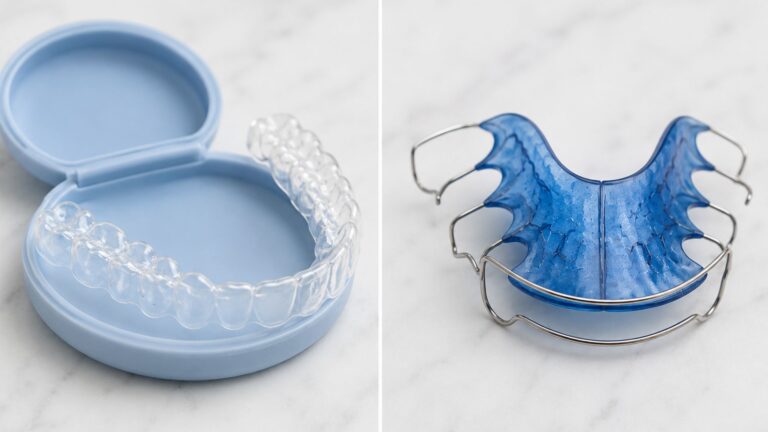
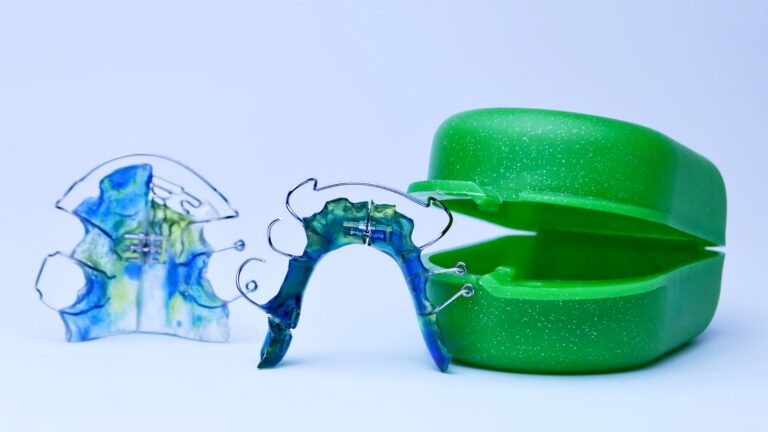
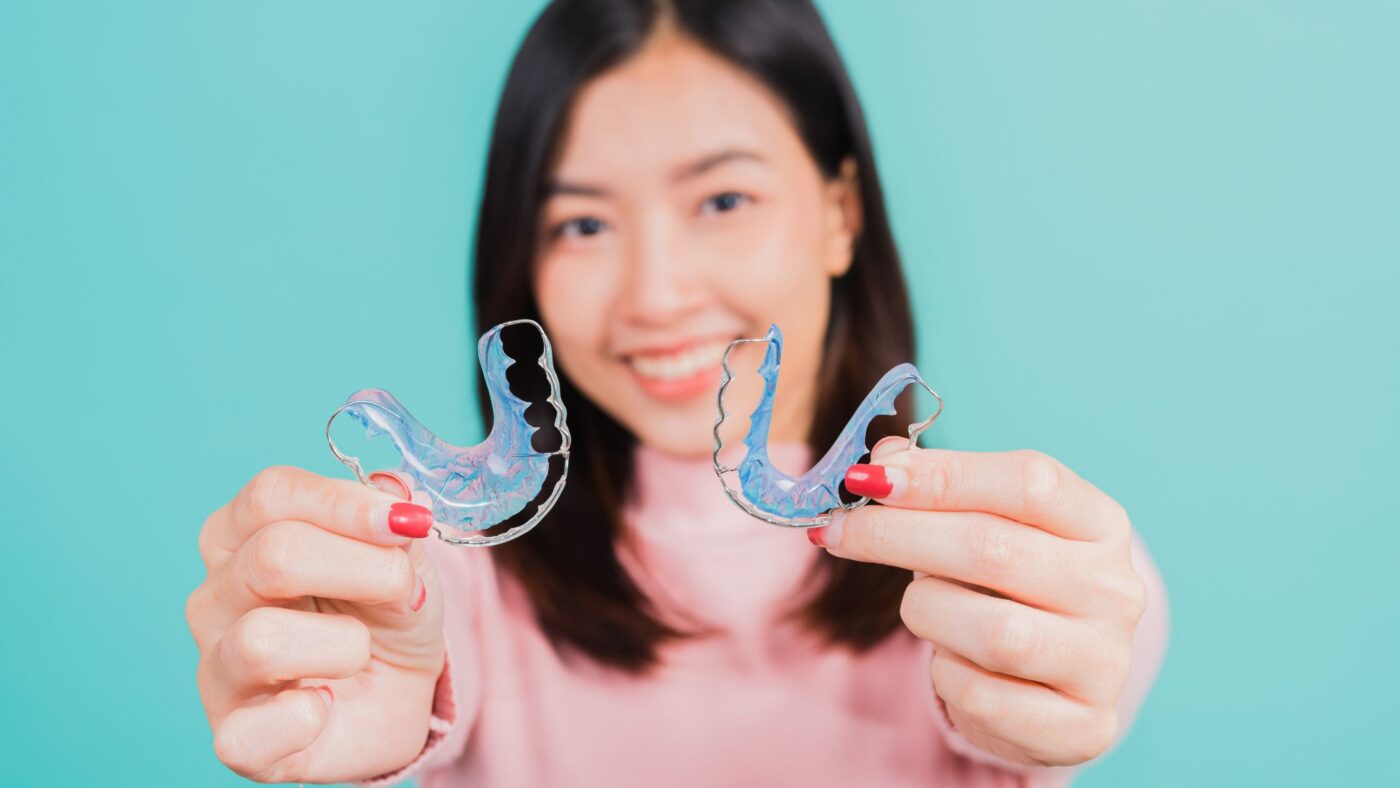
These come in two main types: Hawley retainers (featuring a thin wire and acrylic base) and clear retainers (made of molded plastic). They can be taken out when eating or brushing, which many find convenient. However, their success depends on consistent use.
Fixed Retainers
Also called bonded retainers, these are attached behind the teeth, typically the lower front teeth, and remain in place. They work around the clock and are ideal for patients who prefer a set-it-and-forget-it approach or worry about losing removable devices.
Our team will help determine which type is best for you based on your dental history, lifestyle, and preferences.
Guidelines for Wearing a Retainer
Suggested Wear Timeline
The general wear schedule looks like this:
- First 3–6 months: Wear full-time except when eating or cleaning.
- After 6 months: Shift to nighttime use.
- Long term: Nightly wear helps maintain results indefinitely.
The exact timeline varies depending on your treatment plan and how your teeth respond after the braces or aligners come off. Following your orthodontist’s recommendations is essential for long-term success.
Cleaning and Storage
- Daily rinse and gentle brushing using mild soap or designated cleaning tablets
- Keep away from hot water and direct sunlight to prevent warping
- Store in a protective case when not in use
Proper care extends the life of your retainer and keeps it hygienic.
Staying Ahead of Relapse
Skipping a retainer, even for a few days, can result in small but noticeable shifts. Over time, this can lead to significant changes that might require additional treatment. To prevent this, our practice develops retention strategies personalized to your case.
We provide regular check-ins and adjustments as needed to ensure your retainer continues to fit properly and perform its role.
Post-Braces Support in Wayne, NJ
Whether you’ve just finished orthodontic treatment or you’re noticing your teeth moving after years without a retainer, we’re ready to help. Elite Orthodontics offers a full spectrum of post-treatment support, including consultations, adjustments, and new retainers for patients at any stage.
Schedule a consultation today!
FAQ
What happens if I stop wearing my retainer?
Your teeth may begin to shift back to their original positions, a process called orthodontic relapse. This can occur in just a few weeks without proper retention.
How long should I wear my retainer each day?
For the first 3–6 months, wear it full-time except during meals and cleaning. After that, switch to nightly wear unless otherwise directed by your orthodontist.
Are fixed or removable retainers better?
Both are effective. Removable retainers offer flexibility, while fixed retainers provide continuous support without needing daily compliance. Your orthodontist can help choose the best option for you.
How do I clean my retainer properly?
Rinse it daily and brush gently with mild soap or designated cleaning tablets. Avoid hot water, and always store it in a protective case when not in use.
Can I get a new retainer if I lost mine?
Yes! Elite Orthodontics and Pediatric Dentistry can create a replacement quickly. It’s important to act fast before any shifting occurs.
Can I eat with my retainer in?
It’s not recommended to eat while wearing a removable retainer. Eating with it can damage the retainer or trap food particles, leading to hygiene issues. Always take your retainer out before meals and store it in its protective case.
Is it normal for my retainer to feel tight at times?
Yes, especially if it hasn’t been worn consistently. A slightly tight feeling indicates that your teeth may have shifted slightly. Continue wearing it as instructed, but if discomfort persists or worsens, schedule a visit to Elite Orthodontics and Pediatric Dentistry for an evaluation.
What should I do if my retainer cracks or doesn’t fit anymore?
Contact our office right away. Wearing a damaged or ill-fitting retainer can do more harm than good. We’ll schedule you for a quick check-up and create a replacement if necessary to ensure your teeth stay aligned.
Do I need to wear my retainer forever?
To maintain your smile long-term, some form of retainer use, typically nightly, is recommended indefinitely. Your orthodontist will guide you on the best wear schedule based on your individual case.
Can I switch from a removable to a fixed retainer later on?
Yes. If your lifestyle changes or you find a fixed option more convenient, our team can evaluate your teeth and discuss the transition. It’s essential that any change still supports your retention needs effectively.